 Save
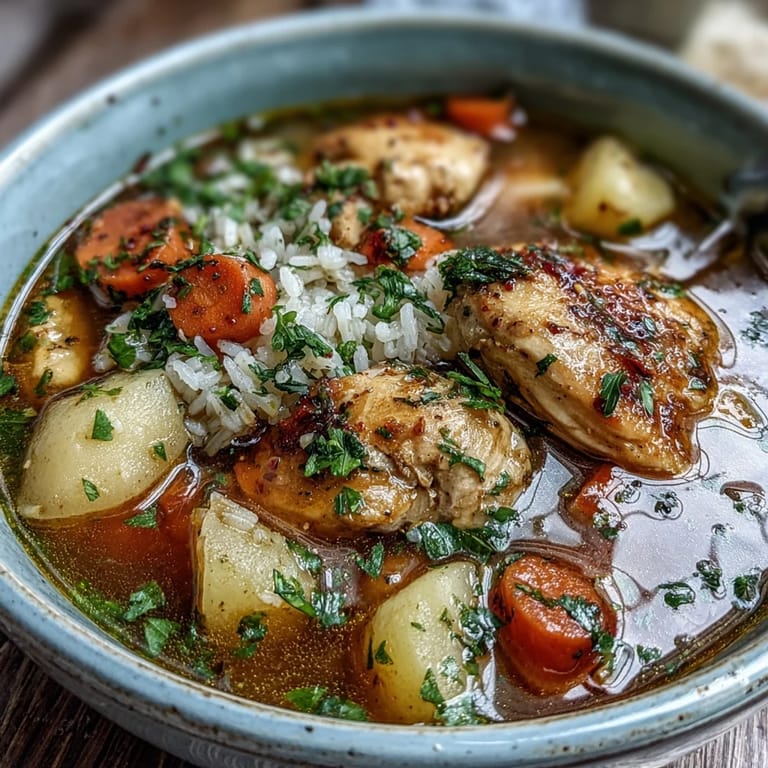
Save There's something about a one-pot soup that feels like a small act of grace on a busy weeknight. Years ago, I was standing in my kitchen on a Thursday evening, completely overwhelmed by the idea of cooking anything complicated, when I realized that the simplest meals often taste the best. This chicken and rice soup became my go-to answer whenever I needed something warm, honest, and ready in under an hour. It's the kind of dish that quietly takes care of you while you're doing other things.
I made this for my neighbor's family the winter her kids caught a cold, and I watched her face relax the moment she tasted it—like permission to breathe. She told me later it was the first meal everyone actually finished, and the bowls came back empty. That moment taught me that the best recipes aren't about technique or ingredients, they're about showing up for people when they need something nourishing.
Ingredients
- Boneless, skinless chicken breasts (2, about 400 g, cut into bite-sized pieces): Bite-sized pieces cook faster and distribute throughout the soup evenly, creating pockets of protein in every spoon. Cutting them while slightly cool makes the work easier.
- Medium onion (1, finely chopped): The aromatic foundation that builds flavor as it softens in the oil, creating a sweet base for everything else.
- Carrots (2, peeled and sliced): Their natural sweetness balances the savory broth, and they soften just enough to be tender but not mushy.
- Celery stalks (2, sliced): This adds that classic soup depth—don't skip it, as it's what makes the broth taste like it's been loved.
- Garlic cloves (3, minced): The magic happens the moment this hits the hot oil; that fragrance is your sign you're doing everything right.
- Long-grain white rice (2/3 cup or 120 g, rinsed): Rinsing removes excess starch, so the rice stays distinct rather than turning the broth cloudy and thick.
- Low-sodium chicken broth (6 cups or 1.5 liters): Low-sodium lets you control the salt and prevents the soup from becoming one-dimensional as it simmers.
- Olive oil or unsalted butter (1 tablespoon): Either works beautifully; oil keeps it dairy-free, while butter adds a gentle richness.
- Dried thyme (1 teaspoon): This herb whispers rather than shouts, giving the soup its comforting, herbaceous character.
- Bay leaf (1): It quietly enhances everything without announcing itself; always remember to fish it out before serving.
- Black pepper (1/2 teaspoon): Add it early so the flavor melds throughout the cooking, not just at the finish.
- Salt (3/4 teaspoon, or to taste): Start with this amount, then taste at the end—broth brands vary, and you might need more.
- Fresh parsley (2 tablespoons, chopped): This bright addition at the very end lifts the whole soup, adding color and a fresh note that makes it feel like spring in a bowl.
- Lemon wedges (for serving, optional): A squeeze transforms the flavor; offer them on the side so everyone can adjust to their taste.
Tired of Takeout? 🥡
Get 10 meals you can make faster than delivery arrives. Seriously.
One email. No spam. Unsubscribe anytime.
Instructions
- Sauté the aromatics:
- Heat the oil or butter in your large pot over medium heat until it shimmers slightly. Add the onion, carrots, and celery, stirring now and then as they soften into a fragrant base. You'll notice the onion turning translucent and the carrots beginning to give way—this five-minute window is where the flavor foundation forms.
- Bloom the garlic:
- Once the vegetables are softened, add the minced garlic and let it cook for just one minute. You'll smell it immediately; that aroma means the garlic is releasing its oils into the pot.
- Gently cook the chicken:
- Stir in the chicken pieces and let them spend two to three minutes in the hot pot. They'll start to turn golden on the outside edges, though they won't be cooked through yet—that happens during the simmer.
- Build the broth:
- Add the rinsed rice, chicken broth, thyme, bay leaf, salt, and pepper all at once. Stir everything together so the rice is fully submerged and the seasonings distribute evenly throughout the liquid.
- Simmer gently until done:
- Bring the pot to a boil, then lower the heat and cover. Let it simmer for twenty to twenty-five minutes, stirring occasionally, until the rice is tender and the chicken is cooked all the way through. The broth should be gently bubbling, not aggressively boiling.
- Finish with care:
- Remove the bay leaf, taste the soup, and adjust the salt and pepper if needed. Stir in the fresh parsley just before serving so its color stays bright.
- Serve and enjoy:
- Ladle the soup into bowls and offer lemon wedges on the side so everyone can brighten their own bowl.
 Save
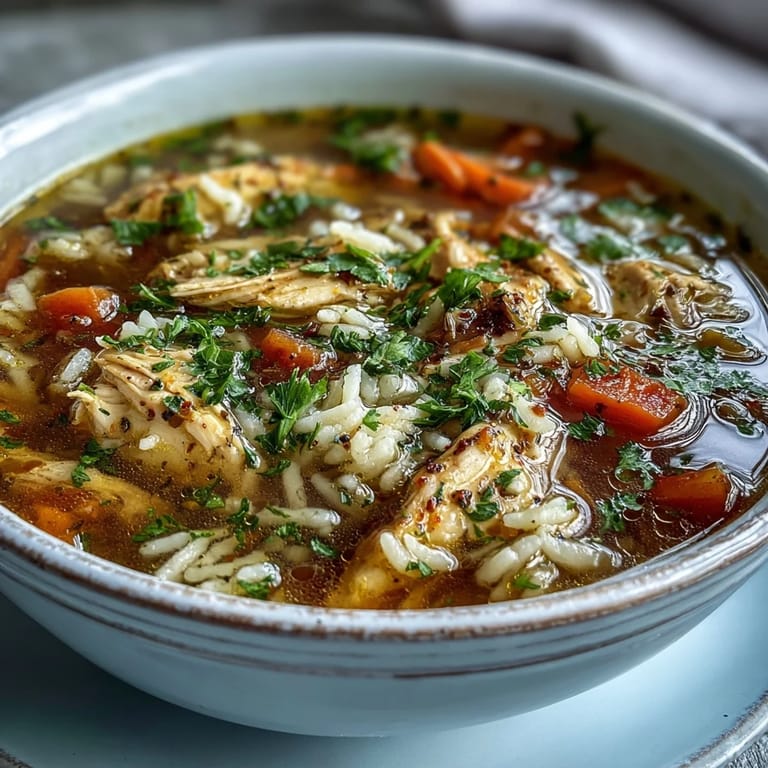
Save My daughter once asked why I made the same soup so often, and I realized it wasn't about repetition—it was about creating a meal so reliable and comforting that she could come home after a hard day and find it waiting. That's when this recipe stopped being just cooking and became a small love letter in a bowl.
Why This Works in One Pot
The beauty of one-pot cooking is that everything builds on the same foundation—the vegetables release their flavor into the oil, the chicken absorbs that aromatic broth, and the rice cooks in the exact same liquid seasoned by everything else. Nothing gets lost, nothing requires a second dish, and the flavors have nowhere to go but deeper into each other. It's efficient in the way that feels like actual cooking, not rushing.
Customizing Your Soup
This recipe is flexible because it trusts the core technique, not rigid ingredients. If you have spinach or kale, toss it in during the last five minutes and watch it wilt into the broth like it was always meant to be there. Brown rice works if you're willing to extend the simmering time by fifteen to twenty minutes and add a bit more broth. A Parmesan rind dropped in while the soup simmers adds an umami depth that feels like a professional secret.
Storage and Reheating Tips
This soup actually improves after a day or two as the flavors continue to marry, making it perfect for meal prep or unexpected visitors. Store it in a glass container in the refrigerator for up to four days, and when you reheat it, warm it gently on the stove while stirring in extra broth to restore its silky consistency. The rice will have absorbed most of the liquid overnight, so don't be surprised when you open the container and it looks thicker than you remember.
- Freeze individual portions in containers for up to three months, and thaw overnight in the refrigerator before reheating.
- If you're short on time, rotisserie chicken works beautifully—just shred it and add it in the last few minutes instead of cooking raw chicken.
- Taste the soup just before serving; sometimes a final pinch of salt and a generous crack of pepper makes all the difference.
 Save
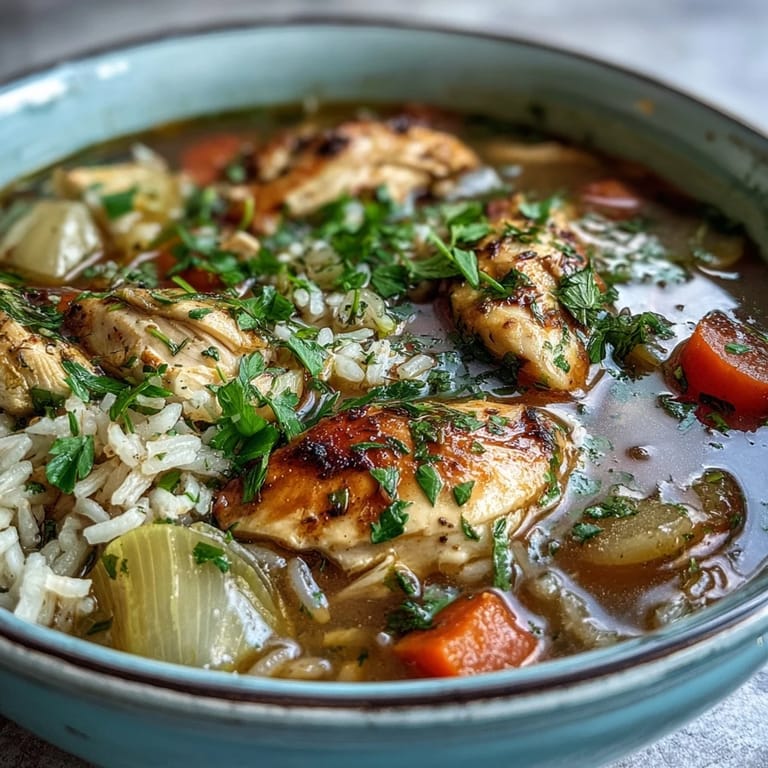
Save Make this soup when someone you care about needs feeding, or when you need to remind yourself that good food doesn't require complexity. It's the kind of recipe that grows more precious every time you make it.
Recipe FAQs
- → Can I use brown rice instead of white?
Yes, substituting brown rice is possible, but increase the simmering time by 15–20 minutes to ensure it cooks through.
- → How can I add more greens to this dish?
Adding spinach or kale during the last 5 minutes of cooking will boost the vegetable content without altering the cooking time significantly.
- → Is there a way to enhance the flavor during cooking?
Simmering with a Parmesan rind adds depth and richness; remove the rind before serving.
- → What cookware is recommended?
A large pot or Dutch oven works best for even cooking and easy stirring throughout the process.
- → How should leftovers be reheated?
Leftovers may thicken as rice absorbs liquid; add extra broth or water and reheat gently to restore the desired consistency.