 Save
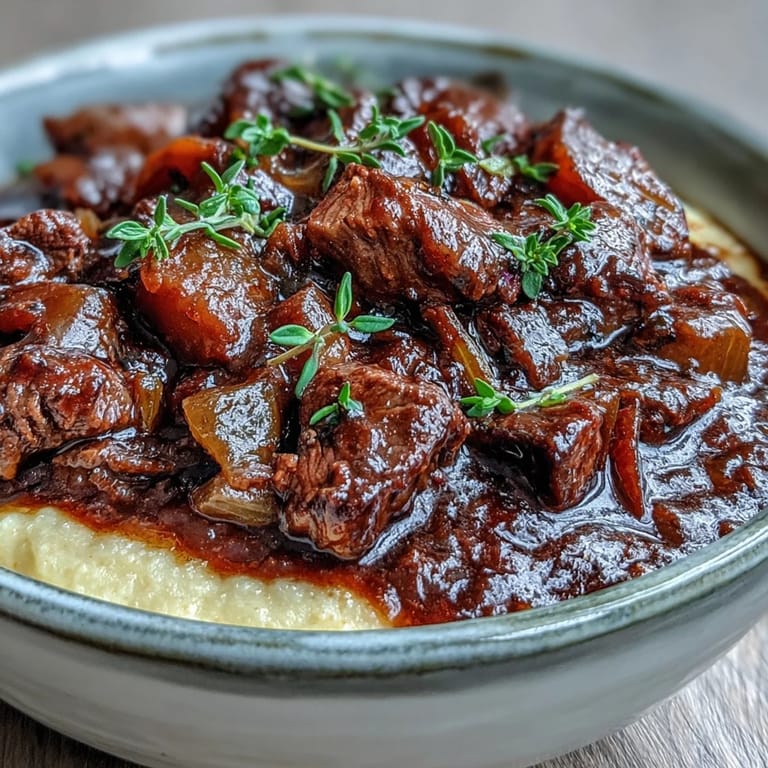
Save The kitchen window was completely fogged up, and I could hear rain hammering against the glass while this stew simmered away. I had picked up some venison from a local butcher on a whim, not really knowing what I was going to do with it. My grandmother had mentioned sloe gin in passing once, something about it being perfect for game meat, and that random conversation popped into my head while I stood there cubing the raw meat. The whole house started smelling incredible after about an hour, that deep rich scent that makes you want to curl up on the sofa and never leave.
I made this for a dinner party back in January when everyone was feeling that post-holiday slump. My friend Sarah took one bite and literally went quiet, which never happens, then asked for seconds immediately. We sat around the table for hours afterwards, just talking and picking at the last bits in the serving dish. Something about this stew makes people linger, like the food itself is telling everyone to slow down and stay a while.
Ingredients
- Venison shoulder or stewing venison: Shoulder has the perfect fat content for slow cooking, and cubing it to about 3cm means it will melt in your mouth rather than drying out
- Olive oil: You need a decent amount here because venison is quite lean, and proper browning creates those flavor foundations that make the whole dish sing
- Onion, carrots, and celery: This classic trio creates that aromatic base that makes French and British stews taste like home
- Garlic: Freshly minced is crucial here, it mellows beautifully during the long cooking time
- Tomato paste: Concentrates into this rich undertone that balances the sloe gin and adds depth
- Sloe gin: The star of the show, bringing these tart berry notes that work magically with game meat
- Beef or game stock: Make sure its gluten-free if that matters for your diet, but definitely go for the best quality you can find
- Redcurrant jelly: Sounds unusual but it adds this subtle sharpness that cuts through the richness
- Bay leaves and thyme: Fresh thyme makes such a difference, and dont forget to remove the bay leaves before serving
- Juniper berries: Lightly crush them with a mortar and pestle or the back of a spoon to release those piney oils
- Whole milk and water: Using half milk, half water for polenta gives you creaminess without it being overwhelmingly rich
- Polenta: Quick-cooking works fine here, but traditional polenta has this amazing texture if you have the time
- Butter and Parmesan: Finish the polenta with these right at the end, stirring until they disappear into the corn
Tired of Takeout? 🥡
Get 10 meals you can make faster than delivery arrives. Seriously.
One email. No spam. Unsubscribe anytime.
Instructions
- Brown the venison:
- Heat the olive oil in a large heavy-based casserole over medium-high heat, then brown the venison cubes in batches without overcrowding the pan. Set each batch aside, taking your time to get proper colour on every side.
- Build the flavour base:
- In the same pan, cook the onion, carrots, and celery for 5-7 minutes until theyve softened and picked up some of those meat juices. Stir in the garlic and tomato paste, letting them cook for another minute until fragrant.
- Add the sloe gin:
- Return the venison to the pan and pour in the sloe gin, standing back slightly as it hits the hot pan. Let it bubble away for 2 minutes until it reduces slightly, the alcohol evaporating while leaving all those berry notes behind.
- Simmer slowly:
- Add the stock, redcurrant jelly, bay leaves, thyme, and crushed juniper berries, then season generously. Bring to a simmer, cover, and cook gently on the lowest heat for 2 hours, stirring occasionally until the venison is fork-tender.
- Make the polenta:
- While the stew simmers, heat the milk and water in a saucepan until just bubbling around the edges. Gradually whisk in the polenta, then cook over low heat, stirring constantly, for 5-10 minutes until thick and creamy.
- Finish and serve:
- Stir the butter and Parmesan into the polenta until melted and smooth, then season to taste. Remove the bay leaves and thyme sprigs from the stew and serve hot, spooning that rich sauce over the creamy polenta.
 Save
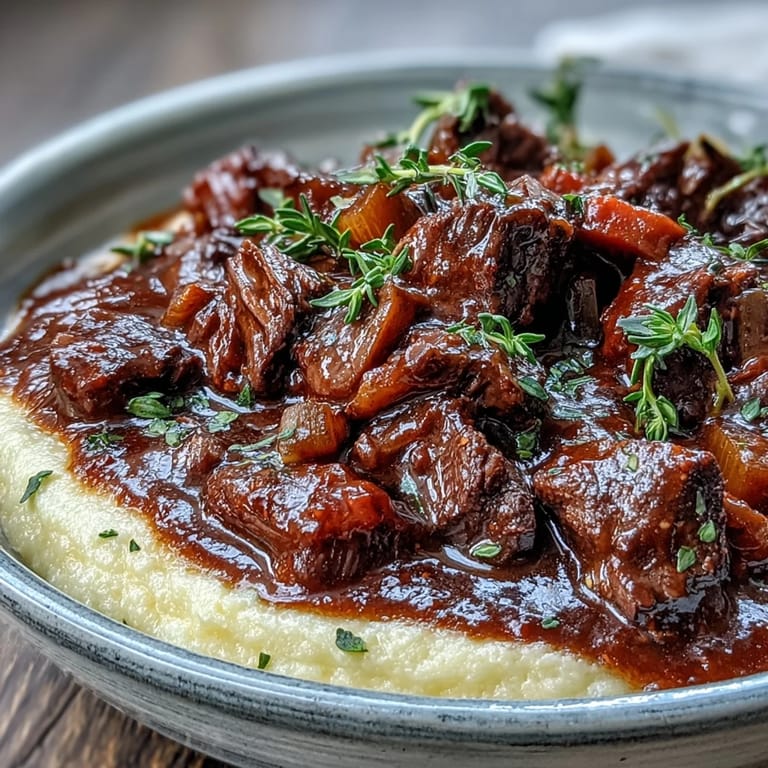
Save This recipe became my go-to for cold Sunday suppers after that first dinner party. Something about the combination of tender venison and that slightly sharp sloe gin just feels special, like a hug in a bowl. Even now, the smell of juniper berries takes me straight back to that rainy weekend.
Making It Your Own
A splash of red wine alongside the sloe gin adds even more depth if you have an open bottle lying around. Port works brilliantly as a substitute if sloe gin proves tricky to find, bringing similar fruity notes without quite the same tartness.
Getting The Polenta Right
Whisking the polenta in gradually prevents those annoying lumps that can ruin the texture. Keep stirring while it cooks, even when your arm gets tired, because thats what makes it silk rather than gritty.
Perfect Pairings
A robust red wine like Shiraz or Cabernet Sauvignon stands up beautifully to the rich venison and sloe gin. Some crusty bread on the side never hurts, even with the polenta, because that sauce is too good to waste.
- Fresh parsley or thyme sprinkled on top adds a nice pop of colour
- Let the stew rest for 10 minutes before serving if you can
- Leftovers freeze brilliantly for those emergency comfort meals
 Save
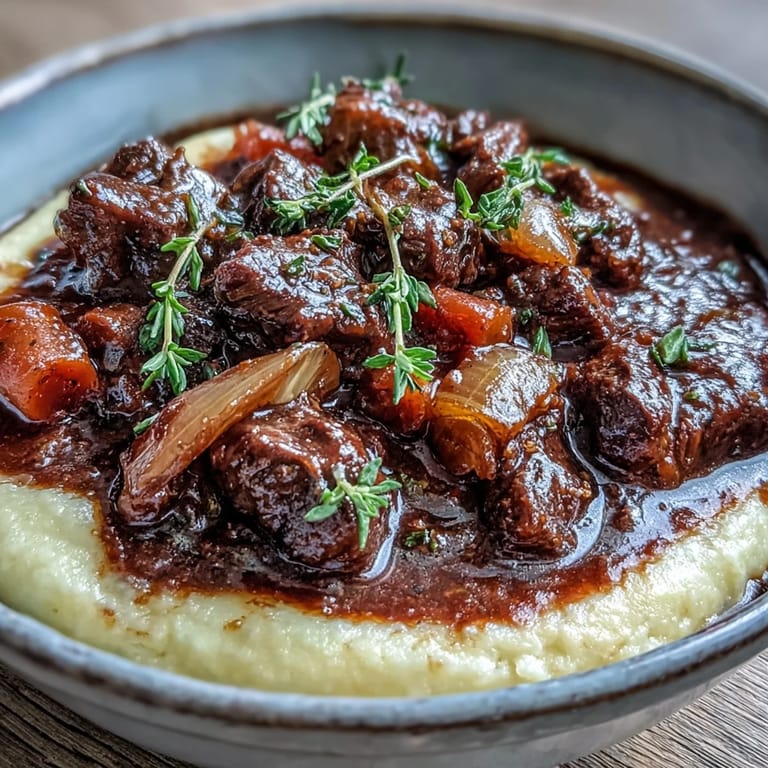
Save Theres something deeply satisfying about a recipe that turns simple ingredients into something this special. Hope this brings as much warmth to your kitchen as it has to mine.
Recipe FAQs
- → Can I use a different cut of venison or another meat?
Yes, venison shoulder or stewing cuts are ideal for their tenderness when slow-cooked. Alternatively, you could use beef chuck or other stewing beef, adjusting cooking times as necessary to achieve a similar melt-in-your-mouth texture. The core flavors would still shine.
- → What can I substitute for sloe gin?
If sloe gin is unavailable, a good-quality port, berry liqueur, or even a dry red wine can be used to add a similar fruity and rich dimension to the stew. The aim is to introduce a complex, slightly sweet note that complements the venison.
- → Can I prepare this stew in advance?
Absolutely. Stews often taste even better the next day as the flavors have more time to meld. Prepare the stew fully, let it cool, then refrigerate for up to 3 days. Reheat gently on the stovetop, adding a splash of stock or water if it's too thick. Prepare the polenta fresh when serving.
- → How do I ensure the venison becomes very tender?
The key to tender venison is low and slow cooking. Ensure the stew simmers gently, not boils, and allow the full 2 hours (or more if needed) for the connective tissues to break down. Covering the pot also helps retain moisture and promotes even cooking.
- → What kind of polenta should I use?
You can use either quick-cooking polenta for a faster preparation or regular polenta for a slightly coarser texture and deeper corn flavor. Just follow the package instructions for your chosen type, ensuring it's cooked until creamy and smooth.
- → Can this be made gluten-free?
Yes, this dish can easily be made gluten-free. Ensure your beef or game stock is certified gluten-free, and double-check the labels on any store-bought polenta, though plain polenta is naturally gluten-free. Parmesan cheese is typically gluten-free, but always verify if you have strict dietary needs.
- → What can I serve with this besides polenta?
While creamy polenta is a classic pairing, this rich venison stew would also be delicious served with mashed potatoes, crusty bread to soak up the juices, or even a simple green salad to cut through the richness.