 Save
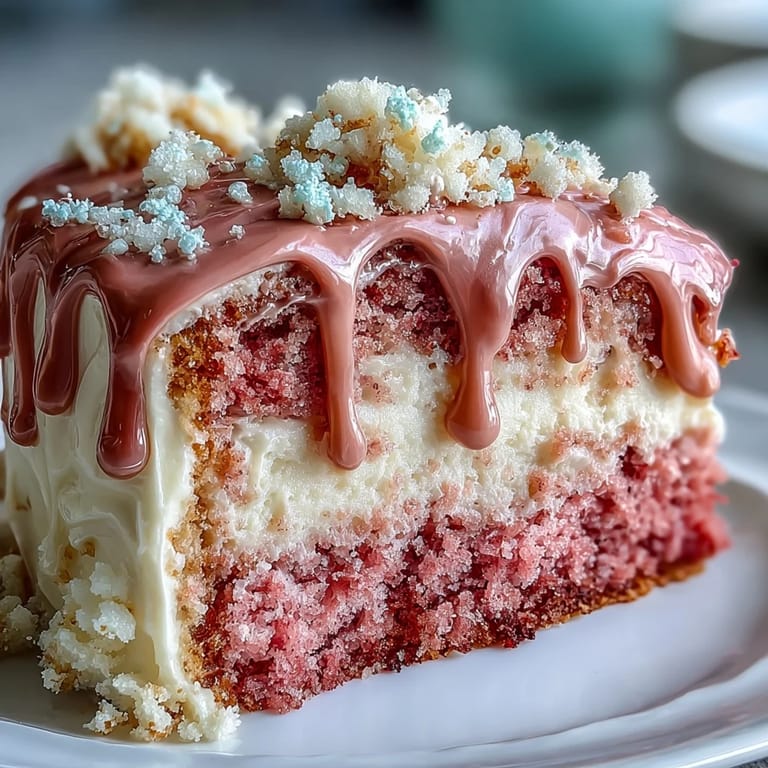
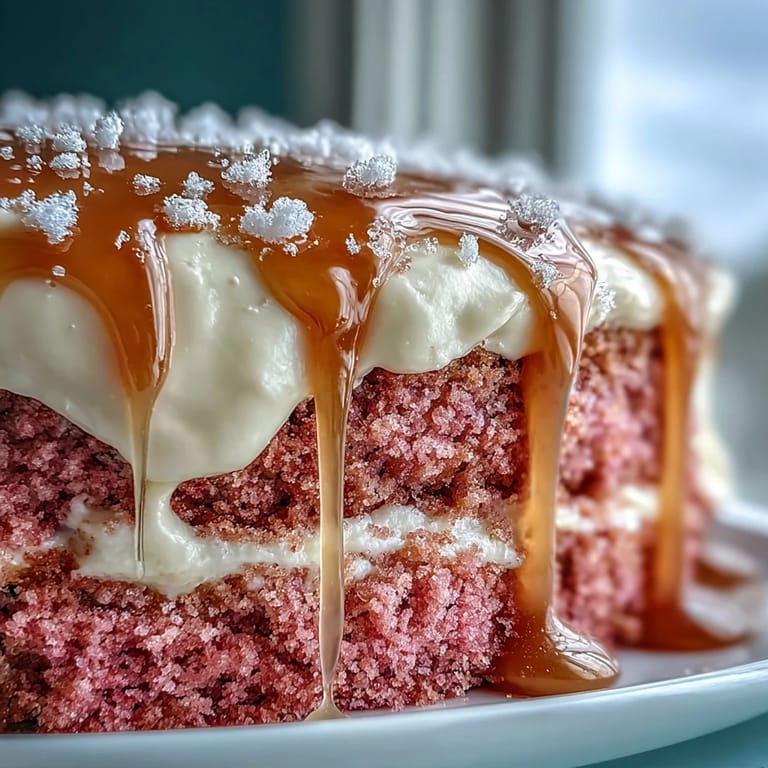
Save When I first attempted this Rosé Velvet Cake, the scent of buttery cake mingled with a faint floral tang of wine had me pausing mid-whisk, smiling. Not all cakes are worth fussing over, but this one’s dazzling gold drip felt like I’d stumbled into a bit of kitchen magic. There’s something about the champagne pop of rosé that makes the air feel lighter, even if it’s just a quiet afternoon with an apron dusted in powdery pink. The whole process is a little messy, sometimes sticky, but completely rewarding. So many recipes promise “show-stopping,” but this cake keeps that promise every single time.
I made this cake for a close friend’s bridal shower, and as laughter bubbled over mismatched teacups, I remember sneaking the first taste—a sliver stolen in the kitchen before guests arrived, just to check the crumb. Turning the cake pan to release the layers, my hands shook slightly, but all it took was one golden drip to calm me. We sliced into it together that afternoon, and crumbs never stood a chance against the anticipation in the room.
Ingredients
- All-purpose flour: Structure is everything here, so measure with care and sift for the softest crumb.
- Cornstarch: Just a spoonful makes the cake unusually tender—don’t skip it.
- Unsweetened cocoa powder: Adds a subtle hint of depth beneath the pink, not chocolatey but somehow essential.
- Baking soda: The cake’s quiet lifter—double check freshness for reliable rise.
- Salt: Balances sweetness and delivers a well-rounded flavor.
- Unsalted butter: Room temperature is non-negotiable for that melt-in-the-mouth texture.
- Granulated and light brown sugar: The mix gives both classic sweetness and a bit of caramel undertone.
- Eggs: They should be at room temperature for best emulsion, or you risk a dense crumb.
- Rosé wine: Pick a fragrant variety you’d actually drink—thin, bland wine will show in the cake’s flavor.
- Buttermilk: Its acidity softens crumb and sharpens flavor, never be tempted to substitute regular milk if you can help it.
- Vanilla extract: Classic warmth, nothing fancy, but it ties everything together.
- Pink gel food coloring: Optional, but it ensures a rosy hue no matter your rosé.
- Cream cheese and butter (for frosting): Room temp keeps the frosting pillowy and avoids lumps.
- Confectioners’ sugar: Sift it like snow for a frosting that’s smooth as silk.
- White chocolate chips and heavy cream (for drip): Stir gently, and don’t overheat or the ganache may split.
- Edible gold luster dust and clear vodka or lemon extract: A little goes a long way; mix just before using for shine.
- Optional toppings: Edible flowers or gold leaf—for extra elegance at the finish line.
Tired of Takeout? 🥡
Get 10 meals you can make faster than delivery arrives. Seriously.
One email. No spam. Unsubscribe anytime.
Instructions
- Prep Cake Pans & Oven:
- Preheat your oven to 350°F (175°C), grease, and line three 8-inch pans—a little extra parchment on the bottom never hurts.
- Blend the Dry Ingredients:
- Sift together the flour, cornstarch, cocoa, baking soda, and salt; admire that pillowy mound before moving on.
- Cream the Butters & Sugars:
- Beat the butter, granulated sugar, and brown sugar on medium for 3–4 minutes until fluffy, pale, and almost mousse-like—it’s worth the patience.
- Add Eggs & Vanilla:
- Crack eggs in one at a time, mixing well, then stir in vanilla; resist the urge to rush, or your batter may curdle.
- Mix Rosé & Buttermilk:
- Pour rosé and buttermilk into a jug and swirl—taste’s optional, but I always do.
- Combine & Add Color:
- With mixer on low, alternate adding flour mixture and rosé-buttermilk, starting and ending with flour; a swirl of pink gel brings the magic hue.
- Divide & Bake:
- Scrape the blush batter into pans, smooth out, and bake 28–32 minutes—your kitchen will smell like a bakery hosting a wedding.
- Cool the Layers:
- Let cakes cool 10 minutes in pans, then turn out onto a rack; walk away if you must, but let them cool completely before frosting.
- Make Frosting:
- Beat cream cheese and butter until smooth, fluff in sugar, vanilla, salt—taste for sweetness and adjust if needed.
- Assemble & Frost:
- Layer cake with frosting between each round, then coat the outside; use an offset spatula for a finish that’s both rustic and elegant.
- Chill:
- Pop the finished cake in the fridge for 30 minutes—it firms everything up and makes the gold drip easier.
- White Chocolate Drip:
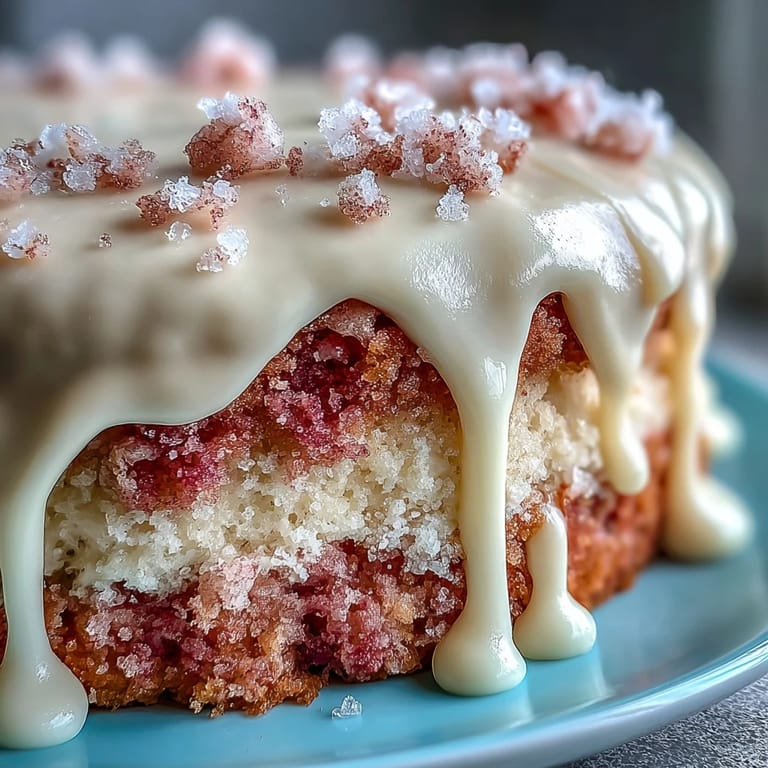
- Slowly melt white chocolate chips with cream, then cool slightly; spoon the ganache around the top edge, letting it drip naturally.
- Gold Finishing Touch:
- Mix gold luster dust with vodka or lemon extract, brush gently on the set drips—take your time, it’s the crowning moment.
- Final Decorations:
- Adorn with edible flowers or a flourish of gold leaf if you like, and step back to admire your work.
 Save
Save There’s always a point right before carrying this cake to the table when someone peeks into the kitchen, eyes wide—whether for a birthday, engagement, or just because. Watching sunlight hit the gold drip, I realized it wasn’t just another dessert—it had become part of the celebration, sparkling as much as any ring in the room.
How to Nail That Bridal Shower Wow Factor
The trickiest part is really letting yourself have fun with it—the color, the shimmer, the pile-on of edible flowers if you’re feeling extra. I learned that a little imperfection (one drip rolling lower than the rest, a rustic swipe of frosting) only adds to the charm. Don’t be afraid to get playful with decorations; it almost always ends up more beautiful than you planned.
Choosing a Rosé That Sings
I once used a rosé that looked pretty in the glass but had a flat flavor—lesson learned. For this cake, reach for something with aroma and a soft, fruity backbone. The right bottle makes the crumb sing and is worth every extra minute of browsing the wine aisle.
Troubleshooting & Last-Minute Help
If your layers dome, just slice off the top—no one will ever know under the frosting. Chilling the assembled cake keeps the drips neat and the frosting firm when you serve. On humid days, add a pinch more sugar to the frosting to ward off slipping layers.
- Use a clean brush for the gold paint to avoid streaks.
- If you don’t have edible flowers, simple gold sprinkles will still wow.
- Let the finished cake rest in the fridge but serve at room temperature for best texture.
 Save
Save Whether it’s the sparkle of gold or the spark of laughter at your table, this cake brings the celebration close. Pour yourself a glass of rosé, and enjoy every slice.
Recipe FAQs
- → Will the rosé flavor remain after baking?
Yes. The 1/2 cup of rosé contributes a fragrant, fruity note that largely remains as aroma and subtle flavor after baking. For no alcohol, substitute equal parts pink grape juice or sparkling cider for similar sweetness and color.
- → How do I get a vibrant pink crumb?
Use a concentrated pink gel food coloring sparingly, adding a few drops to the batter until you reach the desired hue. If you prefer a natural blush, rely on the rosé and omit extra coloring.
- → Any tips for even layers and clean slicing?
Weigh and divide batter evenly between pans, cool completely, then level with a serrated knife. Chill the assembled cake briefly to firm the crumb and frosting before slicing for neat layers.
- → How can I keep cream cheese frosting stable?
Use room-temperature cream cheese and butter, beat until smooth, then add sifted confectioners' sugar gradually. Chill the frosting if it becomes too soft and avoid overbeating to maintain a silky texture.
- → What's the best method for the gold drip?
Make a pourable ganache from white chocolate and cream, let it cool slightly so it holds its shape, then spoon or pipe drips around the edge. Once set, mix gold luster dust with a few drops of vodka or lemon extract and paint the drips for a metallic finish.
- → How should I store and serve the cake?
Keep refrigerated, covered, for up to 3 days. Bring the cake to cool room temperature for 20–30 minutes before serving to enhance flavor and soften the frosting. Layers can be frozen separately up to one month.