 Save
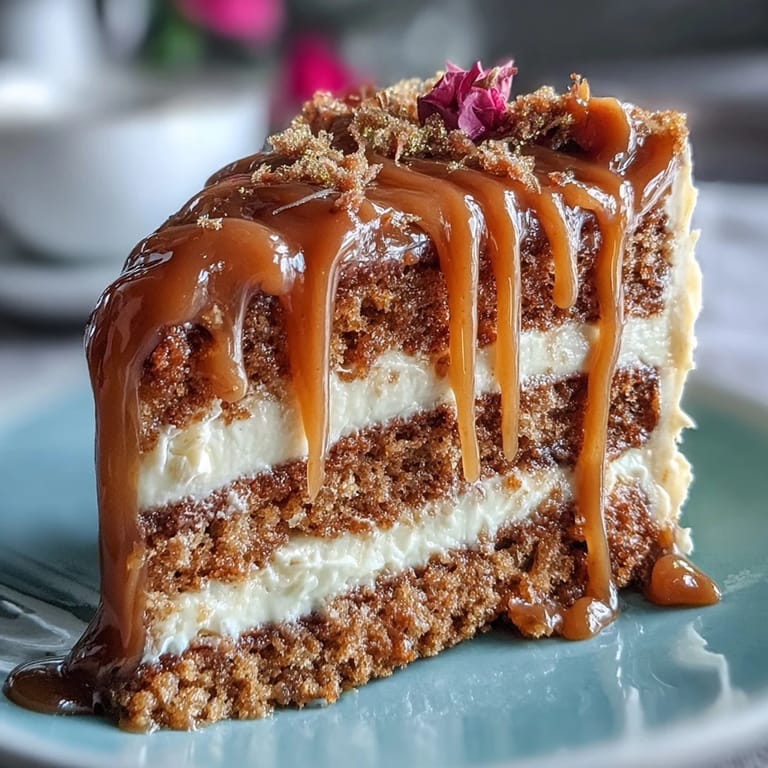
Save The scent of caramelized sugar hanging in the kitchen always takes on an earthier dimension when I make this butterscotch layer cake. The idea first sparked during one golden spring afternoon when I decided to match a cake to my Taurus friend's grounded nature. Swirls of floral buttercream and earthy colors seemed like the only suitable way to celebrate a sign so tethered to both beauty and substance. It's a cake that feels as much a celebration of late afternoons as it does birthdays. Mixing the batter while sunlight filtered through my herb pots felt just right for this cake's spirit.
One year, I made this cake for a friend's backyard celebration—the kind where laughter and dandelions drifted on a warm breeze. There was frosting on my elbow and brown sugar smudged on my cheek, but no one cared as we all went quiet with that first bite. That moment—the sunlight, the friends, and the earthy-floral aroma—etched itself deeper than I expected. Ever since, this cake has been my go-to whenever I want dessert to feel alive and a little bit magical.
Ingredients
- All-purpose flour: Go for a good sift to keep the cake light and never pack it down.
- Baking powder & baking soda: This pair ensures your cakes rise uniformly—mix them thoroughly with the flour for no bitter spots.
- Unsalted butter: Softened butter is your secret to super fluffy cakes and a smooth buttercream.
- Brown sugar: It deepens both flavor and color—the aroma is unmistakable once the sugar hits the pan for butterscotch.
- Eggs: Always best at room temperature; they blend more easily and lighten the texture.
- Vanilla extract: Amplifies everything, but real extract adds the warmest undertone.
- Sour cream or plain yogurt: Adds moisture and a subtle tang that balances the butterscotch.
- Whole milk: Full-fat milk brings richness—don't skimp here if you want a truly soft crumb.
- Butterscotch sauce: Homemade creates lush depth; let it cool so it doesn't melt your batter.
- Powdered sugar: Sift for lump-free buttercream—the difference is night and day.
- Culinary rose water: Just enough makes the buttercream dreamily floral, no soapiness.
- Dried lavender (optional): Finely ground, it perfumes the frosting in the gentlest way.
- Natural colorants (matcha, beet powder, turmeric, cocoa, spirulina): These add earthy tones—go slow, a pinch at a time, until the color is just right.
- Edible flowers & herbs: For showstopping finishing touches, always buy from a reputable source.
- Gold leaf/dust (optional): Use a tiny bit for a quiet shimmer—less is truly more.
Tired of Takeout? 🥡
Get 10 meals you can make faster than delivery arrives. Seriously.
One email. No spam. Unsubscribe anytime.
Instructions
- Prep your pans and oven:
- Heat the oven to 350F and line three 8-inch pans with parchment—greasing every corner is worth the extra minute.
- Cook up the butterscotch:
- Melt butter and brown sugar in a saucepan until they smell nutty, then swirl in cream for a glossy sauce—let it cool, resisting the urge to sneak a spoonful.
- Mix the dry ingredients:
- Whisk flour, baking powder, baking soda, and salt in a bowl so each tiny bit gets evenly mixed in.
- Cream butter and sugars:
- Beat butter until soft, then add brown sugar and listen for the shift in sound from grainy to creamy.
- Add eggs and vanilla:
- Pop in eggs one at a time, watching the batter turn glossy, before you pour in the vanilla.
- Build your batter:
- Stir in sour cream and that cooled butterscotch, alternating with dry ingredients and milk—just until smooth and streak-free.
- Bake:
- Divide the batter evenly and bake for 28 to 35 minutes, savoring the caramel fragrance wafting through the kitchen.
- Cool completely:
- Let cakes rest 10 minutes in their pans, then turn out gently to finish cooling on racks.
- Make the buttercream:
- Beat butter until pale and billowy, then gradually whip in powdered sugar and milk; stir in rose water (and lavender, if using) when the frosting feels luxuriously smooth.
- Tint the buttercream:
- Divide and swirl in natural colorants for a painterly, earthy palette—blend gently for flecks and streaks that look like wildflowers.
- Assemble:
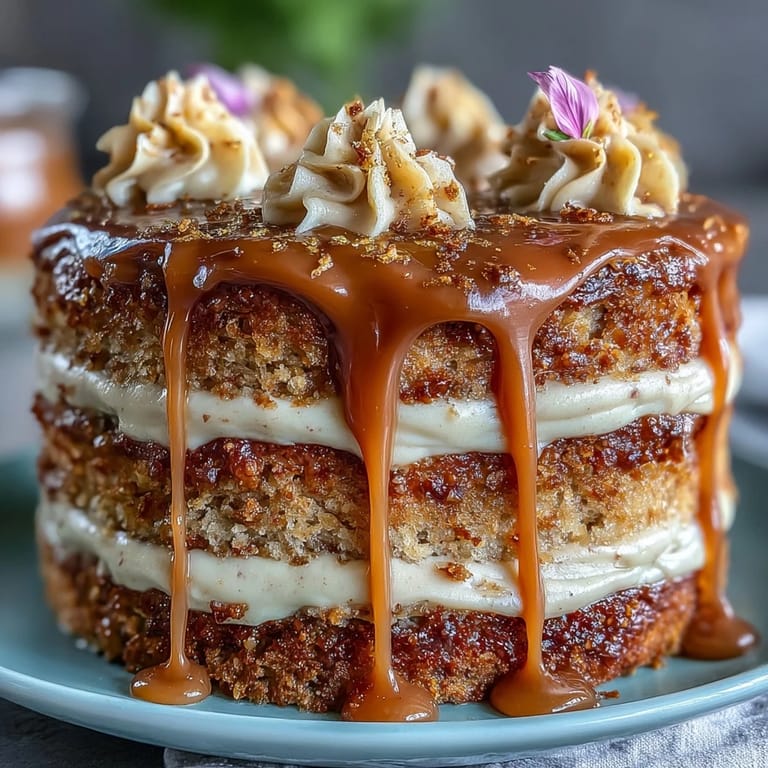
- Layer cakes with swathes of buttercream, spreading it boldly to the edges before coating the whole cake in a rustic swoosh of tinted buttercream.
- Chill:
- Set the cake in the fridge for 20 minutes for frosting that stays put when you slice.
- Decorate:
- Scatter edible flowers, herbs, and a whisper of gold, arranging them as if you've just come back from a meadow picnic.
 Save
Save I remember slicing this cake at the table as everyone leaned in to look at the marbled buttercream and grassy-green herbs, the sun dipping low and laughter bright in the backyard. That evening, compliments and crumbs lingered until the stars were out, and the cake felt less like dessert and more like an offering to everyone present.
Choosing and Using Edible Flowers
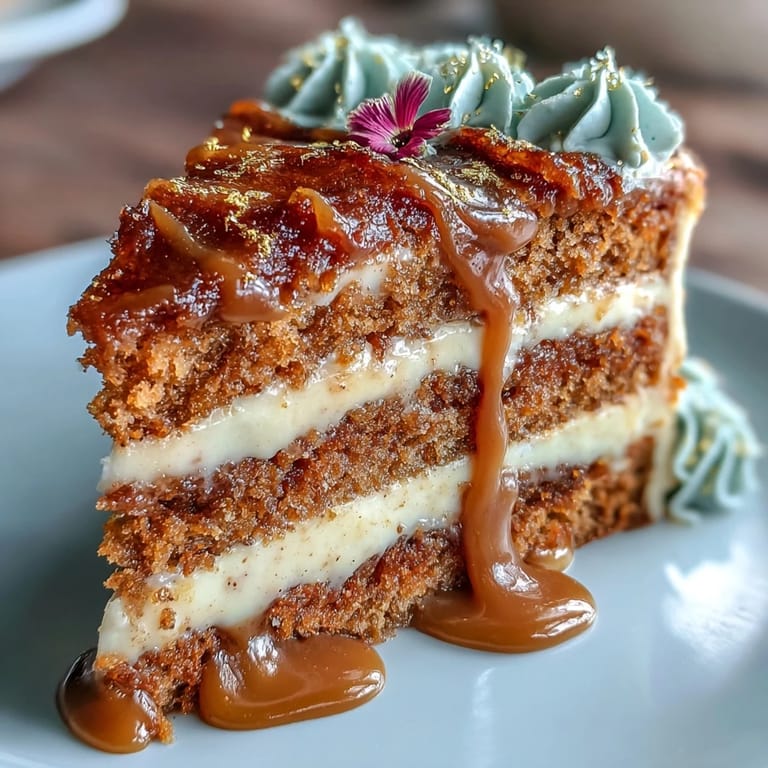
Adding edible flowers feels like the moment the cake comes alive. I always source them from reputable markets or farmers, giving them a gentle rinse and pat dry before scattering. The look should be effortless—as if wildflowers landed of their own accord. Be gentle when placing them, because even a heavy hand can bruise petals. Try tiny violets, fragrant sprigs of mint, or a few rosemary blossoms for an herbal lift.
Naturally Coloring Buttercream
Pulverizing matcha, beet, or turmeric into the teeniest dust lets you control the depth of your hues. Sometimes, I blend a little turmeric with a pinch of cocoa for an earthy ochre shade, or swirl matcha and lavender for something dreamy. It's easy to get carried away, so always mix in a bit at a time until you love the look. I find handing the mixing spatula to a friend makes the color-mixing even more fun. The result is streaky, natural, and never the same twice.
Assembly, Serving, and Storage
Chilling the cake, even briefly, keeps the layers from sliding—especially if it's warm out. Wipe your knife between each slice for the neatest reveal of colored buttercream. Serving with a damp fragrant cloth nearby is my little upgrade for the ultimate unfussy but elegant finish.
- If using fresh flowers, refrigerate the cake after decorating.
- Wrap any leftovers securely, so the floral notes stay fresh.
- Check your flowers for pesticides before you start—safety first.
 Save
Save Even on a weekday, the first forkful of this cake feels celebratory. May your kitchen be as bright and earthy as this sweet Taurus creation.
Recipe FAQs
- → How do I prevent layers from doming or cracking?
Use an even oven temperature and avoid overmixing the batter. Divide batter evenly between pans and rotate halfway through baking if your oven has hot spots. Cool in pans for 10 minutes before turning out to finish cooling on a rack to reduce cracking.
- → What’s the best method for making the butterscotch sauce?
Melt butter over medium heat, stir in packed brown sugar and cook briefly, then add cream and simmer until smooth. Remove from heat, stir in vanilla and salt, and cool to room temperature before folding into the batter to retain moisture and flavor.
- → How can I achieve subtle earth-tone colors in the buttercream?
Use small amounts of natural colorants—matcha for soft green, beet powder for dusty pink, cocoa for brown, turmeric for warm yellow, and spirulina for muted teal. Tint separate portions gradually until you reach the desired shade.
- → Any tips for a stable floral buttercream?
Beat butter until pale and fluffy before adding sifted powdered sugar in batches. Add 2–3 tablespoons of milk for smoothness and fold in rose water or a touch of ground culinary lavender sparingly to avoid bitterness. Chill briefly if the buttercream becomes too soft while assembling.
- → How should I store the finished cake?
Keep the cake covered at room temperature for up to three days if no perishable decorations are used. If using fresh flowers or delicate herbs, refrigerate and bring to room temperature before serving. Avoid prolonged refrigeration to preserve texture.
- → Can I substitute rose water with another floral element?
Yes. Orange blossom water or a touch of pure vanilla extract can provide a different floral note. Adjust quantities to taste and test a small portion of buttercream first to prevent overpowering the balance of flavors.