 Save
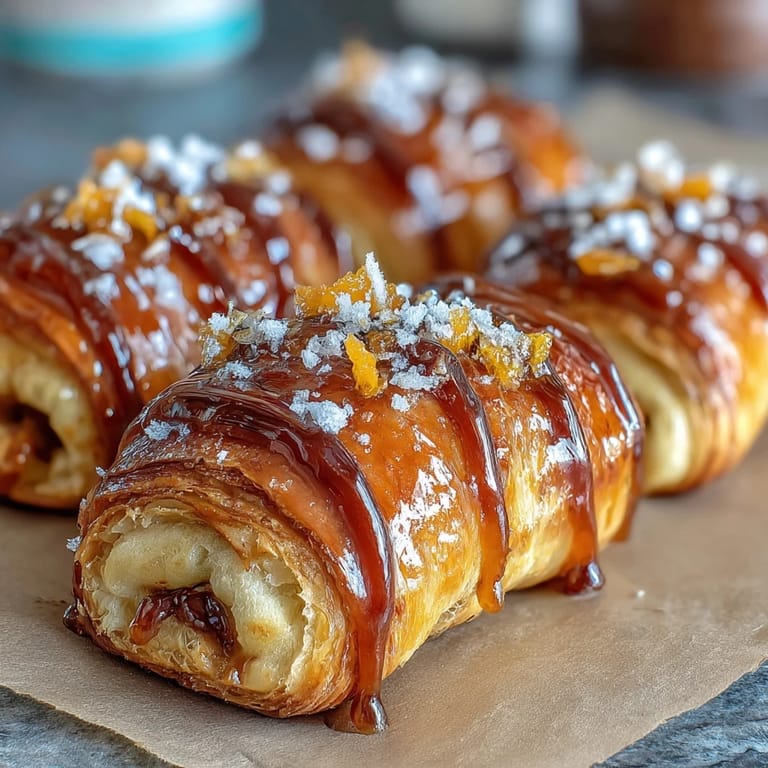
Save My kitchen smelled like a citrus grove the morning I first attempted these rolls, though I'd never actually seen an orange tree in person. A friend had dropped off a bag of oversized navel oranges, and I found myself standing at the counter zesting like my life depended on it, wondering if there was a faster way. That's when the crescent dough caught my eye in the fridge—it seemed almost too simple, but the bright sugar mixture I'd just made felt like it deserved a home. Twenty minutes later, golden mini rolls emerged from the oven, and I understood why some of the best kitchen discoveries happen by accident.
I brought these to my neighbor's Easter breakfast last spring, nervous they'd seem too simple alongside her homemade cinnamon rolls. The moment someone bit into one, the glaze dripped down their chin and they closed their eyes—no words needed. She asked for the recipe immediately, and I watched her visibly relax when I said it involved exactly one can of dough. Sometimes the best recipes are the ones that feel like a gift but barely feel like cooking.
Ingredients
- Refrigerated crescent roll dough (1 can, 8 oz): This is your time-saving secret; don't thaw it beforehand, and make sure to pinch those perforations closed so they don't spring apart while you roll.
- Unsalted butter (2 tbsp, softened): It needs to be soft enough to spread but not melting, so pull it out about 10 minutes before you start; this is what binds the sugar and zest together into something magical.
- Granulated sugar (1/4 cup): This creates the gritty, delicious texture that catches on your teeth and makes everything worth it.
- Orange zest (1 large orange, about 1 tbsp): A microplane zester will change your life here—get just the orange part, not the white pith underneath, which tastes bitter and ruins everything.
- Vanilla extract (1/2 tsp): It doesn't scream orange, but it deepens the flavor in a way you'll only notice if it's missing.
- Powdered sugar (1/2 cup): This becomes your glaze's body; don't skip sifting it or you'll have little sugar pebbles nobody asked for.
- Fresh orange juice (1–2 tbsp): Start with less and add more—thin glazes run off, thick ones sit like cement; you want something in between that actually flows.
- Orange zest for garnish (optional 1/2 tsp): A tiny extra flourish that makes them look intentional and fancy, worth the extra seconds.
Tired of Takeout? 🥡
Get 10 meals you can make faster than delivery arrives. Seriously.
One email. No spam. Unsubscribe anytime.
Instructions
- Get everything ready:
- Preheat your oven to 375°F and line a baking sheet with parchment paper—the rolls will bake faster and more evenly this way, and cleanup feels like a victory.
- Seal the dough properly:
- Unroll the crescent dough and run your fingers along those dotted lines where it naturally wants to separate, pressing them together until you have one large rectangle. This step is the difference between rolls staying intact and falling apart mid-bake.
- Mix your filling into a paste:
- Combine the softened butter, sugar, orange zest, and vanilla in a small bowl, stirring until it looks like damp sand mixed with tiny orange flecks. The mixture should be thick enough to spread but not so thick it tears the dough.
- Spread with confidence:
- Using a spoon or offset spatula, distribute the orange filling evenly across the entire rectangle, getting into the corners but not overspreading onto the edges where they might stick.
- Roll it up tightly:
- Starting from the longer side, roll the dough toward you in one steady motion, keeping the tension consistent so you don't trap air pockets. When you reach the end, pinch the seam closed with your fingers.
- Cut into 12 equal pieces:
- Using a sharp knife, mark the log lightly into quarters first, then cut each quarter into three pieces—this visual trick helps you avoid ending up with 11 normal rolls and one monster. Arrange them cut-side up on your prepared sheet.
- Bake until golden:
- Slide everything into the oven for 13–15 minutes; you're looking for the tops to turn a deep golden brown, not pale yellow. The kitchen will smell unreal, which is your sign they're almost done.
- Make the glaze while they bake:
- Whisk powdered sugar and orange juice together in a small bowl, adding the juice slowly until you reach that perfect pourable consistency. If you're using it, stir in the extra orange zest now.
- Cool briefly, then glaze:
- Let the rolls sit for about 5 minutes after they come out—they'll still be warm enough for the glaze to soak in but cool enough that you won't burn yourself. Drizzle generously and serve immediately.
 Save
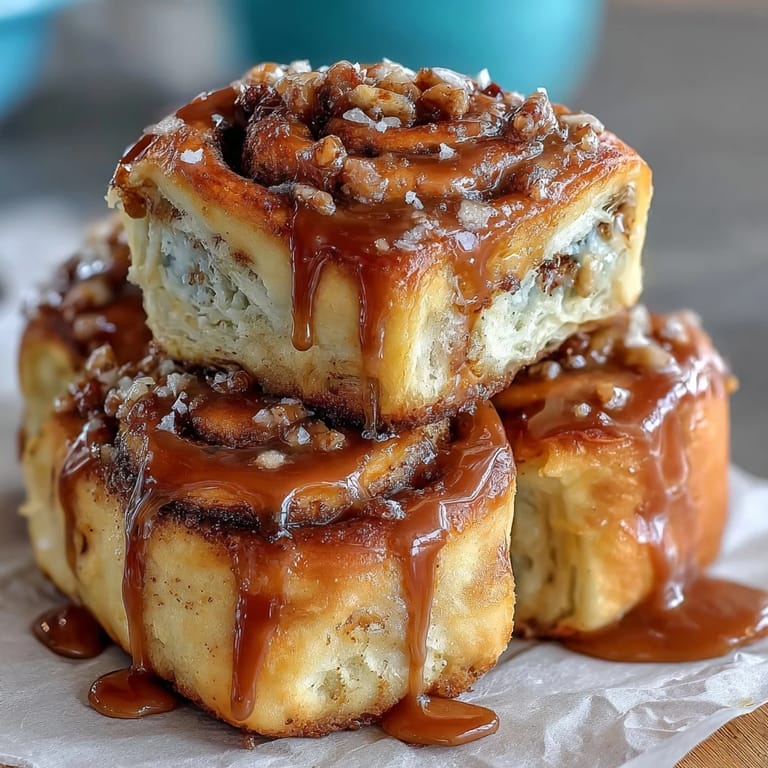
Save There's something about serving warm rolls with melting glaze that shifts the entire mood of a morning. A friend once told me these made her feel like someone had done something nice for her, even though she was eating them alone—that's the kind of small magic I chase in the kitchen now.
Why Orange Works Here
Orange is bright without being sour, elegant without being pretentious, and it plays beautifully against buttery dough in a way that lemon never quite does. The zest carries more flavor than juice alone, which is why you're putting it directly into the filling where it matters most. When the glaze sets with that extra zest on top, it becomes this little reminder that you actually cared about the details.
Making Them Even Better
Once you nail the basic version, you can start playing with additions that feel personal rather than complicated. A tiny splash of almond extract in the glaze shifts the whole thing in a different direction, or you can rough up the filling with chopped pistachios for texture. The crescent dough is so forgiving that it invites experimentation rather than punishing it.
Storage and Serving Thoughts
These are honestly best the moment they cool just enough to not burn your mouth, but they stay soft and pleasant in an airtight container for up to two days. If you want to reheat them without drying them out, wrap them loosely in foil and warm them at 300°F for about five minutes. They freeze beautifully too if you want to make a batch ahead and bake them fresh whenever the mood strikes.
- Pro move: prepare the rolls through the cutting step, freeze them on a tray, then transfer to a freezer bag—bake directly from frozen, adding just a few extra minutes to the time.
- If your glaze starts to set before you've drizzled everything, add a single drop of orange juice and whisk it back to life.
- The smell while these bake is genuinely a selling point; open your windows if you want neighbors wondering what's happening.
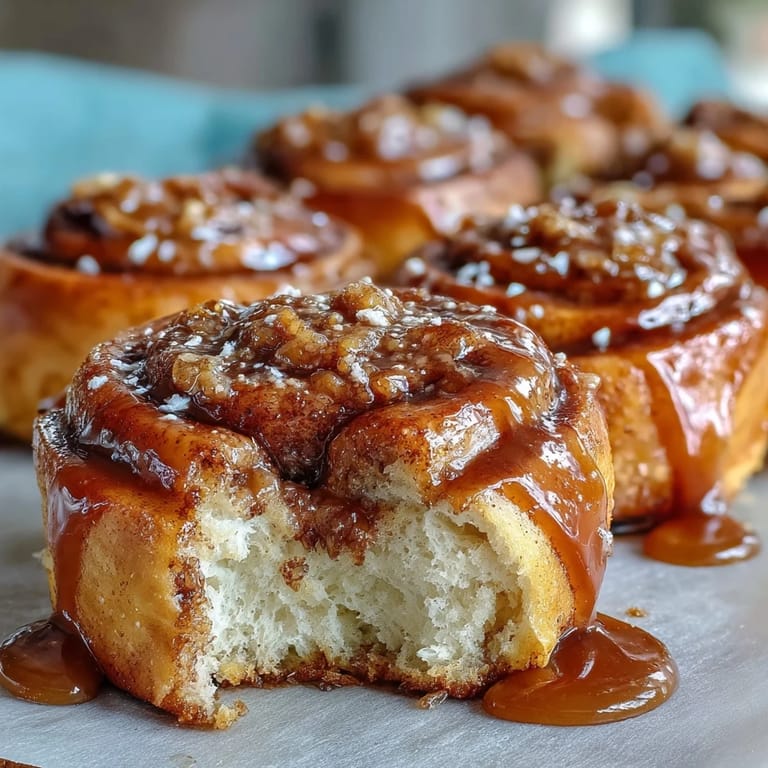 Save
Save These rolls remind me that sometimes the easiest recipes are the ones people remember longest, mostly because they taste like someone cared. Make them for yourself on a slow morning, and you'll understand.
Recipe FAQs
- → What type of dough is used for these rolls?
Refrigerated crescent roll dough is used for easy preparation and a soft texture.
- → How is the orange flavor incorporated?
Orange zest is added to the sugar filling and glaze, plus fresh orange juice gives a bright citrus note.
- → Can nuts be added to the filling?
Yes, chopped pecans or walnuts can be sprinkled over the filling before rolling for crunch.
- → What temperature and time are best for baking?
Bake at 375°F (190°C) for 13–15 minutes until the rolls turn golden brown.
- → How should the glaze be prepared?
Whisk powdered sugar with fresh orange juice until pourable, then drizzle over warm rolls.