 Save
Save My sister texted me three weeks before her birthday asking if I could make something that looked as good as it tasted—something that felt like spring on a plate. I'd been eyeing these delicate mini layer cakes with edible flowers for months, waiting for the right occasion to justify the fussiness. The moment I read her message, I knew this was it. There's something about building something small and beautiful with your own hands that makes the effort feel like love.
I'll never forget watching my niece's face when she opened the box—six tiny cakes arranged like they'd come from a proper bakery, each one crowned with a different pastel-tinted buttercream and a scatter of real flowers. She actually gasped, which doesn't happen often with a twelve-year-old. That's when I realized these cakes aren't just dessert; they're a small, edible gift that says you cared enough to make something look impossible.
Ingredients
- All-purpose flour (1 1/4 cups): The foundation of a tender crumb—sift it if you have time, and don't pack it into the measuring cup or you'll end up with dense cake.
- Baking powder (1 tsp): Your lift and lightness; make sure it's fresh because old baking powder won't give you the rise you need.
- Salt (1/4 tsp): A small pinch that wakes up the vanilla and lemon without anyone knowing it's there.
- Unsalted butter for the cake (1/2 cup, softened): Room temperature is non-negotiable here—cold butter won't cream properly and you'll miss the fluffy texture that makes these cakes special.
- Granulated sugar (3/4 cup): Creamed with butter until it's pale and fluffy, this creates tiny air pockets that keep the cake tender.
- Eggs (2 large, room temperature): Cold eggs won't incorporate smoothly, so take them out of the fridge while you prep everything else.
- Pure vanilla extract (1 tsp for cake): Don't skip the word pure—imitation extract tastes thin and flat in something this delicate.
- Lemon zest (1/2 tsp): This is where the magic happens; it brightens the entire cake and makes people wonder what you did differently.
- Whole milk, room temperature (1/2 cup): Cold milk can shock the batter and tighten the crumb, so let it sit out for a few minutes.
- Unsalted butter for buttercream (3/4 cup, softened): Again, soft butter is essential—it should almost feel like it's melting when you press it.
- Powdered sugar, sifted (2 cups): Sifting removes lumps and gives you a smoother, more luxurious frosting.
- Pure vanilla extract for buttercream (1 tsp): Same quality rule as above.
- Whole milk or heavy cream (1-2 tbsp): Use just enough to reach the right consistency—too much and your frosting becomes thin and slides.
- Salt for buttercream (pinch): This enhances sweetness and rounds out the flavor.
- Food coloring, optional (pastel shades): A tiny drop goes a long way; start conservatively or you'll end up with frosting that's too dark for the delicate feel you're after.
- Edible flowers (about 1 cup): Source these from reputable suppliers and verify they're pesticide-free; violas and pansies are reliable choices, but nasturtiums add a peppery surprise.
Tired of Takeout? 🥡
Get 10 meals you can make faster than delivery arrives. Seriously.
One email. No spam. Unsubscribe anytime.
Instructions
- Prepare your space:
- Preheat the oven to 350°F (175°C) and line a 9x13 inch baking sheet with parchment paper, then give it a light grease. This prevents sticking and makes cleanup almost painless.
- Combine the dry ingredients:
- In a medium bowl, whisk together flour, baking powder, and salt until evenly distributed. Whisking is important—it aerates the flour and ensures the baking powder spreads evenly.
- Cream butter and sugar:
- Beat softened butter and sugar together for about 3 minutes until the mixture is pale, fluffy, and noticeably lighter in color. You'll hear the mixer working harder at first, then it becomes almost silent as air incorporates.
- Add eggs and flavor:
- Add eggs one at a time, beating well after each one so they fully incorporate. Mix in vanilla extract and lemon zest, making sure the zest is evenly distributed—this is where your signature flavor comes from.
- Build the batter gently:
- Add half the flour mixture to the butter mixture, then the milk, then the remaining flour, mixing on low speed after each addition. Overmixing at this stage develops gluten and makes the cake tough, so stop as soon as you don't see streaks of flour.
- Bake the cake sheet:
- Spread the batter evenly onto your prepared baking sheet and bake for 18 to 22 minutes, until a toothpick inserted in the center comes out clean or with just a few crumbs. The cake should smell buttery and spring back slightly when you touch it.
- Cool completely:
- Let the cake cool on the baking sheet for about 10 minutes, then turn it out onto a wire rack or the counter and let it sit until completely cool to the touch. Warm cake breaks apart when you cut it.
- Cut your cake circles:
- Using a 2.5 to 3 inch round cutter, press straight down without twisting to cut out 12 circles. If your scraps are large enough, gently press them together and chill before cutting additional rounds.
- Make the buttercream:
- Beat softened butter until it's completely creamy, then gradually add the sifted powdered sugar a bit at a time, mixing on medium speed. Add vanilla, salt, and 1 tablespoon of milk, then beat until light and fluffy, adding more milk if needed to reach a spreadable consistency.
- Tint if desired:
- If you're using food coloring, add just a tiny drop at a time and mix thoroughly—colors deepen as you beat. Start with one pastel shade, then repeat with new batches of buttercream for variety.
- Assemble your cakes:
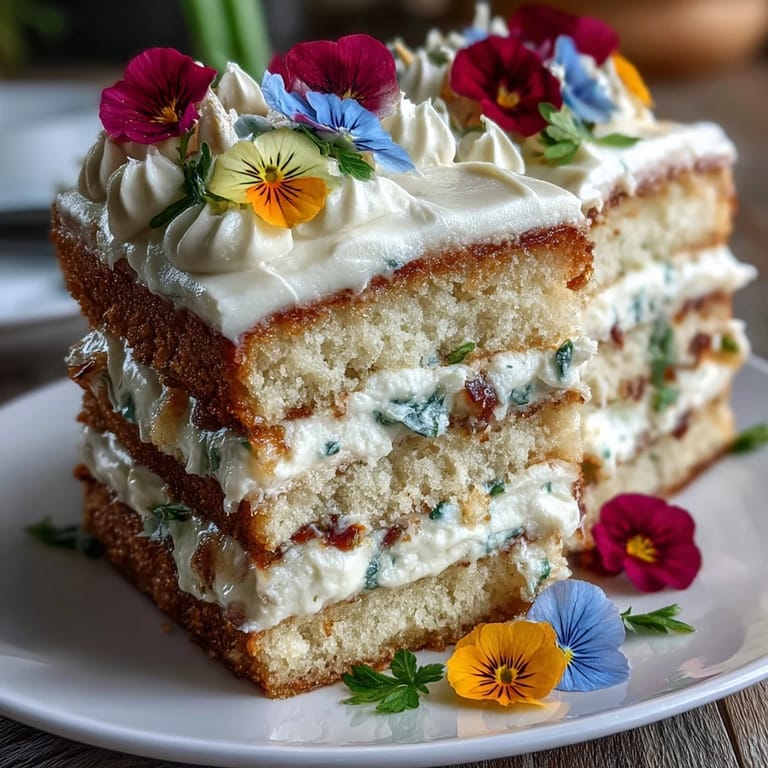
- On each serving plate, place one cake round, spread with a thin layer of buttercream, then top with a second cake round. Add another thin layer of buttercream on top, creating a sandwich that's delicate but sturdy.
- Decorate with flowers:
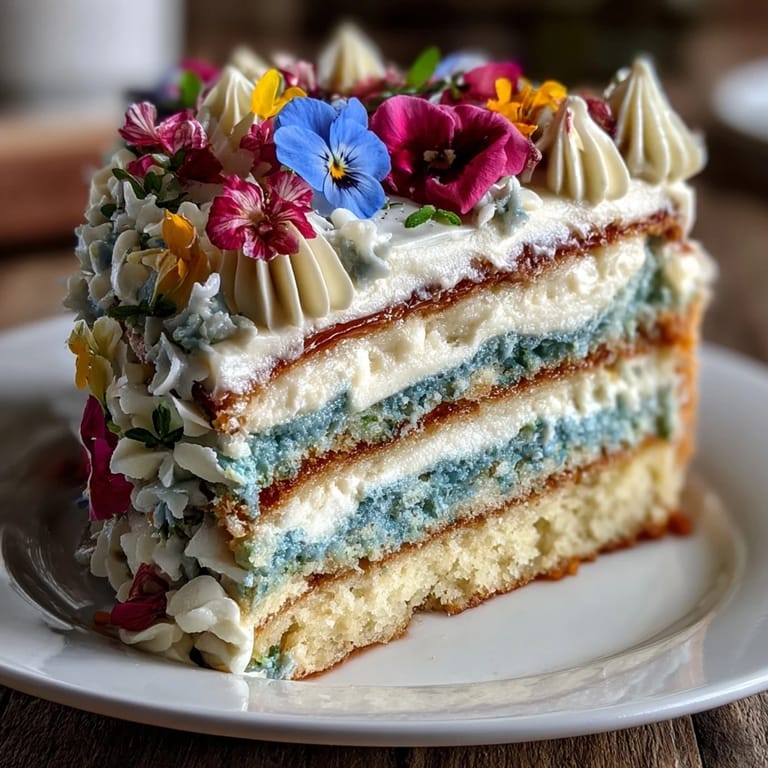
- Pipe or spread additional buttercream on the top of each mini cake, then arrange your edible flowers artfully across the surface. Step back and look at it—you've just made something that looks like it came from a proper bakery.
- Chill before serving:
- Refrigerate for at least 15 minutes so the buttercream sets and the flavors meld slightly. This also makes the cakes easier to handle and gives them a better texture when you bite into them.
 Save
Save What surprised me most was how my sister saved one of the cakes in the fridge for two days, just to look at it before eating it. She said it felt too pretty to destroy, which is the highest compliment a baker can receive. That's when I understood that these mini cakes do something beyond taste—they create a moment worth savoring.
The Magic of Lemon Zest
I used to think lemon zest was optional, something fancy people added. Then I forgot it once and made the same cake blind, and the difference was stark—the cake tasted fine but flat, like something was missing. Now I'm almost obsessive about it; I zest the lemon directly over the bowl so I capture all those fragrant oils. It's a small step that transforms a good cake into one people remember.
Why Mini Cakes Matter
There's psychology in portion size that I didn't expect. A slice of cake can feel indulgent or heavy, but a whole mini cake feels celebratory and special, like you're getting a full experience rather than just a piece of something larger. Everyone leaves happy, no one feels overstuffed, and you get to make six beautiful things instead of one that needs to feed a crowd.
Assembly and Storage Secrets
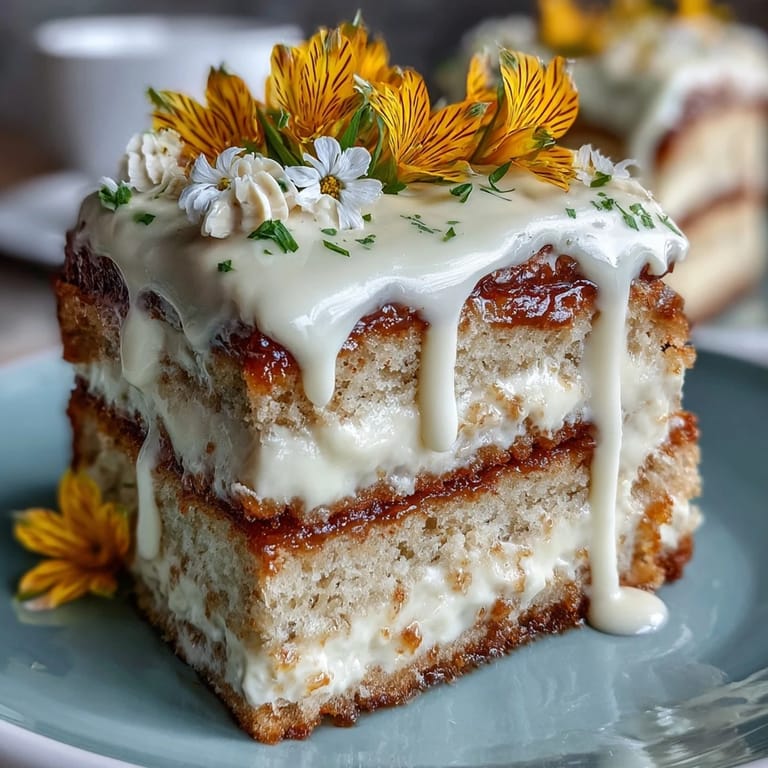
I learned that assembling these cakes a few hours ahead actually improves them—the buttercream firms up, the flavors marry, and everything feels more cohesive. You can make the cake and frost it in the morning, refrigerate it covered, and pull it out an hour before serving so the buttercream softens just slightly. The edible flowers go on last, right before serving, so they stay fresh and vibrant.
- Store assembled cakes covered in the refrigerator for up to 2 days, adding flowers just before guests arrive.
- If you're transporting these somewhere, place them in a cake box with a little parchment between layers to prevent sliding.
- Leftover cake scraps make incredible cake pops or can be crumbled into a simple trifle.
 Save
Save These mini cakes taught me that the best recipes aren't always the most complicated—they're the ones that make people feel seen and celebrated. Make them, watch someone's face light up, and you'll understand why I keep coming back to this one.
Recipe FAQs
- → What types of edible flowers can I use?
Use food-safe flowers like violas, pansies, and nasturtiums that are pesticide-free and verified edible.
- → How can I achieve a pastel color in the buttercream?
Add a few drops of food coloring to the buttercream while beating until the desired pastel shade is reached.
- → Can these cakes be made ahead of time?
Yes, assemble and chill the mini cakes for at least 15 minutes before serving to maintain texture and freshness.
- → What is the best way to cut uniformly sized layers?
Use a 2.5–3 inch round cookie cutter to cut even circles from the baked sheet once cooled.
- → How do I make the lemon flavor stand out?
Incorporate fresh lemon zest into the batter and consider brushing layers with citrus syrup before assembly.