 Save
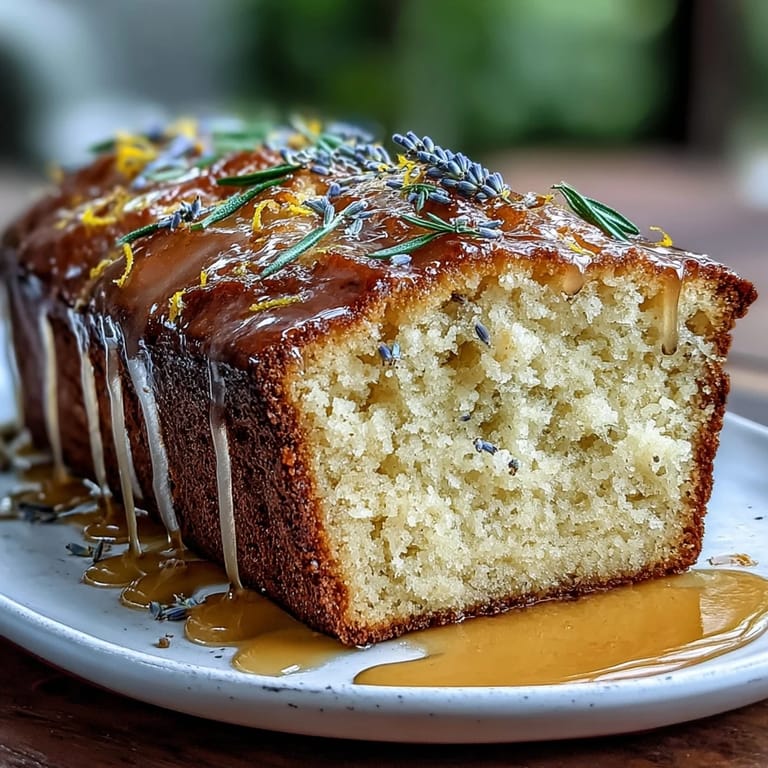
Save Cracking open a fresh lemon on a quiet Sunday always feels like a promise to myself. The scent of zest mingling with lavender transforms my kitchen into a bakery tucked somewhere between Provence and home. It was a late spring afternoon when curiosity led me to blend the citrus with the floral, just to see if the flavors would dance together. They did—so well, in fact, neighbors drifted in for a taste before the cake cooled. A drizzle of honey glaze sealed the whole experience with a gentle, golden hug.
Once, I served this loaf cake for an impromptu afternoon tea hosted on my porch with mismatched mugs and laughter. We passed the slices around, each bite fragrant enough to hush conversation for a beat, and someone swore the flavor was “summer in a bite.” It’s the kind of easy gathering this cake seems made for, where seconds (and thirds) vanish before anyone can worry about etiquette. There’s just something freeing about licking a bit of glaze off your finger and not apologizing. Those crumbs on the plate tell their own story.
Ingredients
- All-purpose flour: This forms the sturdy, reliable base that lets the lemon and lavender shine—be sure to sift for an extra light crumb.
- Baking powder & baking soda: Together, they lift the loaf just the right amount; I always double-check freshness for a guaranteed rise.
- Salt: A small pinch amplifies the natural tartness of the lemon and balances the sweetness.
- Culinary dried lavender buds: These tiny purple buds imbue a gentle floral tone—always use culinary grade, and crush lightly with your fingers to release their oil.
- Lemon zest (from 2 lemons): Only zest the colorful skin, never the bitter white; I rub it into the sugar to awaken the oils.
- Unsalted butter: Creamy and tender, butter gives the crumb its moist texture—let it sit out to fully soften before mixing.
- Granulated sugar: Sweetness here is key, but I always mix it thoroughly to catch all the lemon zest essence.
- Large eggs: Room temperature eggs blend better and help the loaf bake evenly; crack each into a bowl first to avoid surprises.
- Greek yogurt or sour cream: Both add rich tang and keep the cake from drying out; either one works wonderfully.
- Whole milk: Just a splash loosens the batter and results in a tender texture—if you want extra floral notes, try infusing it with lavender.
- Fresh lemon juice: For bright acidity; squeezing by hand beats bottled, every time.
- Pure vanilla extract: Just a teaspoon for warmth and depth underneath all that citrus.
- Powdered sugar: Sift to avoid stubborn lumps in that dreamy honey glaze.
- Honey: Pick your favorite variety for drizzle—it anchors the glaze with a gentle, aromatic sweetness.
Tired of Takeout? 🥡
Get 10 meals you can make faster than delivery arrives. Seriously.
One email. No spam. Unsubscribe anytime.
Instructions
- Prep your pan:
- Grease and line a loaf pan so the cake slips out easily later; parchment wings on the sides make lifting foolproof.
- Mix dry ingredients:
- Inhale the aroma while whisking flour, baking powder, baking soda, salt, lavender, and lemon zest in a bowl. The color and fragrance promise deliciousness ahead.
- Cream butter & sugar:
- Beat together until pale and fluffy; the texture should feel like a puff of clouds between your fingers.
- Egg time:
- Crack eggs in one at a time, blending gently so the batter stays airy and light.
- Add the wet:
- Fold in yogurt, milk, lemon juice, and vanilla; the batter loosens and glossy streaks shimmer with each stir.
- Combine the mixes:
- Sift the dry over the wet and fold until just combined—stop as soon as the flour disappears to keep things tender.
- Into the pan:
- Spoon the batter in and smooth the top with a spatula; give the pan a gentle tap to pop hidden air bubbles.
- Bake:
- Slide the pan into a preheated oven. When the top is golden and a toothpick comes out clean, it's ready—mine clocks in right at 48 minutes.
- Cool it down:
- Let the loaf settle in the pan for 10 minutes, then pop it onto a wire rack to cool before glazing.
- Whisk the glaze:
- In a small bowl, swirl together powdered sugar, honey, and lemon juice—stop when it's thick but pourable and the spoon leaves ribbons.
- Glaze and serve:
- Drizzle generously over the cooled loaf; watch it set into a shiny, fragrant veil. Slice thick and serve with a smile.
 Save
Save Watching friends go quiet at the first bite—then break into grins and demand the recipe—turned this simple loaf into a ritual for me. It’s not just a cake anymore, but my go-to way of offering care, celebration, or consolation, depending on who’s gathered around my kitchen table.
How to Infuse More Lavender Flavor
One of my favorite tricks is warming the milk gently with extra lavender buds and letting it steep off heat for just ten minutes before straining. This method deepens that floral note without overpowering—the right hint of lavender wafts as you slice, like a whisper from a summer garden.
Swap and Garnish Like a Pro
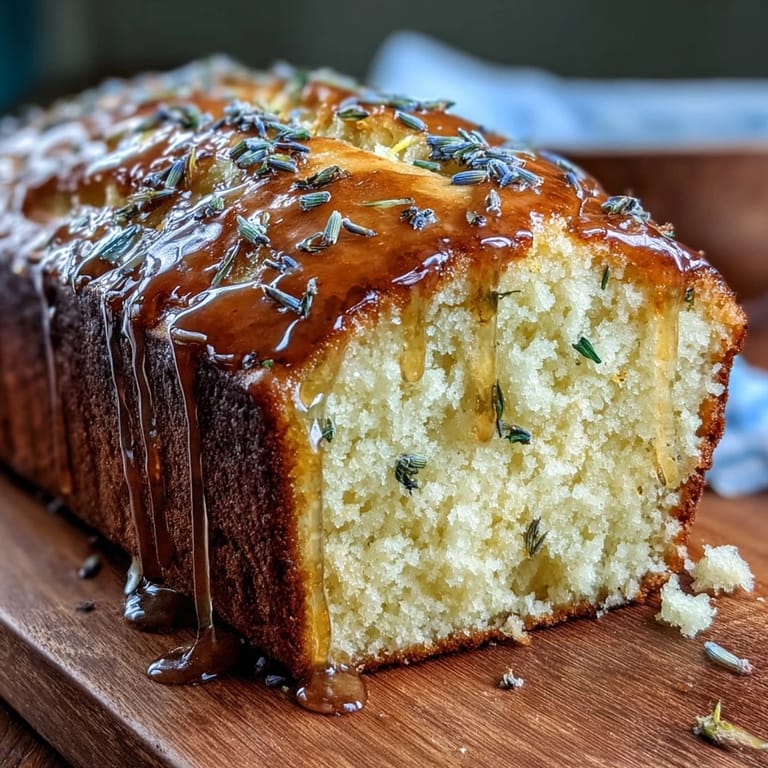
I learned by accident that orange zest works wonders when lemons are scarce, bringing a softer citrus brightness. Topping the loaf with a scattering of dried lavender buds or just a touch of extra zest after glazing makes it look bakery-fancy with almost no effort.
Serving Suggestions for Every Season
This loaf is just as happy next to a mug of Earl Grey as it is on a sunny picnic table. I’ve even wrapped slices for a springtime hike, where they taste especially fragrant after a long walk in the fresh air.
- If you’re hosting, serve thick slices with extra glaze on the side.
- Leftovers (if you have any) are divine toasted for breakfast.
- Remember to store in an airtight container to keep every crumb moist.
 Save
Save This cake always seems to bring out lingering conversations and second helpings. I hope it brings a little sunshine and floral warmth to your kitchen, too.
Recipe FAQs
- → Can I use fresh lavender instead of dried?
Fresh lavender has higher moisture and a milder scent; if using fresh, use a smaller amount, finely chop, and taste as you go. Culinary (food-grade) dried lavender is recommended for a cleaner, more consistent floral note.
- → How do I avoid a bitter lavender taste?
Use culinary-grade lavender and measure carefully—too much can turn bitter. Infusing the milk with lavender and straining removes coarse bits and mellows the flavor, giving a subtle floral aroma rather than an overpowering bite.
- → What's the best way to check doneness?
Insert a toothpick into the center; it should come out with a few moist crumbs but not wet batter. The loaf will spring back slightly when pressed and the edges will pull away from the pan when fully baked.
- → Can I swap greek yogurt for another ingredient?
Buttermilk or sour cream are good substitutes for the yogurt and will maintain moisture and tang. If using buttermilk, reduce any added liquid slightly; with sour cream, the texture remains rich and tender.
- → How should I store and reheat the loaf?
Wrap cooled slices tightly and store at room temperature for up to 3 days, or refrigerate up to 5 days. To refresh, warm a slice briefly in a low oven or microwave for 10–15 seconds for a just-baked feel.
- → Any tips for a thicker or thinner glaze?
For a thicker glaze, use less lemon juice and add honey gradually until you reach the desired consistency. For a thinner glaze, add a teaspoon of lemon juice at a time until pourable. Chill briefly to set if needed.