 Save
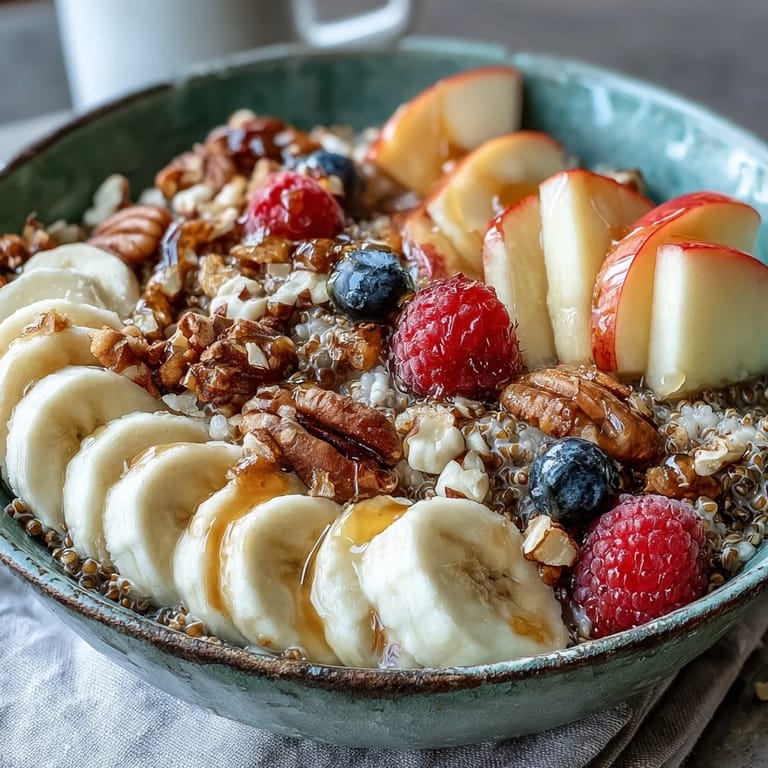
Save One Tuesday morning, my partner wandered into the kitchen looking lost, and I realized we'd somehow run out of oats. Instead of ordering breakfast, I grabbed a bag of buckwheat groats I'd bought weeks before and honestly forgotten about. Twenty minutes later, we were both staring at these little nutty, tender parcels of grain, amazed at how something so simple could taste so complete. That bowl became a regular fixture on our weekday mornings.
I made this for my sister when she was visiting and mentioned trying to eat more whole grains. She poured maple syrup over hers and added extra walnuts, then asked for the recipe before she'd even finished the bowl. Now she texts me photos of her versions from home, sometimes adding berries in summer, sometimes just honey and cinnamon in winter. Food doesn't always need to be complicated to matter.
Ingredients
- Buckwheat groats (raw, hulled): The foundation here—rinse them well because they can taste chalky if you skip this step, a mistake I made exactly once.
- Water: Use fresh, cold water for rinsing and cooking; it truly does affect the flavor and texture.
- Salt: Just a pinch, but it wakes up the natural nuttiness of the groats in a way that feels almost magical.
- Mixed nuts: Almonds, walnuts, and pecans work beautifully, but raw or roasted both have their charm—I prefer roasted for the extra crunch.
- Fresh fruit: Berries, banana, apple, or pear all work; choose whatever looks vibrant at the market because it actually makes a difference in how you feel eating it.
- Honey or maple syrup: Optional, but if you use it, drizzle it warm over the hot groats so it soaks in slightly.
- Ground cinnamon: A quarter teaspoon per bowl transforms the whole thing into something that feels like a gentle hug.
- Milk or plant-based milk: Pour it over at the end if you like yours creamy, or skip it entirely if you prefer everything drier.
Tired of Takeout? 🥡
Get 10 meals you can make faster than delivery arrives. Seriously.
One email. No spam. Unsubscribe anytime.
Instructions
- Rinse your buckwheat:
- Run the groats under cold water in a fine mesh strainer, stirring them gently with your fingers for about thirty seconds. You'll notice the water running off gets clearer—that's when you know you're done.
- Bring water to a boil:
- Combine the rinsed groats with water and salt in a medium saucepan and turn the heat to medium-high. You'll hear it bubble and feel the kitchen warm up as steam rises.
- Simmer low and slow:
- Once it boils, reduce heat to low, cover the pot, and let it sit undisturbed for ten to twelve minutes. The groats will absorb the water and become tender, each one holding its shape but yielding easily when you bite it.
- Rest and fluff:
- Remove from heat, keep the lid on, and wait five minutes—this resting period is where the magic finishes. Use a fork to gently separate any stuck-together grains, and you'll see how light and fluffy they become.
- Divide and top:
- Spoon the warm buckwheat into two bowls, then scatter your chopped nuts and fresh fruit over the top. This is where the bowl goes from simple to something you actually want to sit down and enjoy.
- Finish and serve:
- Drizzle with honey or maple syrup if you're using it, add a pinch of cinnamon, and pour milk over if you prefer it creamier. Eat it while it's still warm, letting the heat bring out all those subtle flavors.
 Save
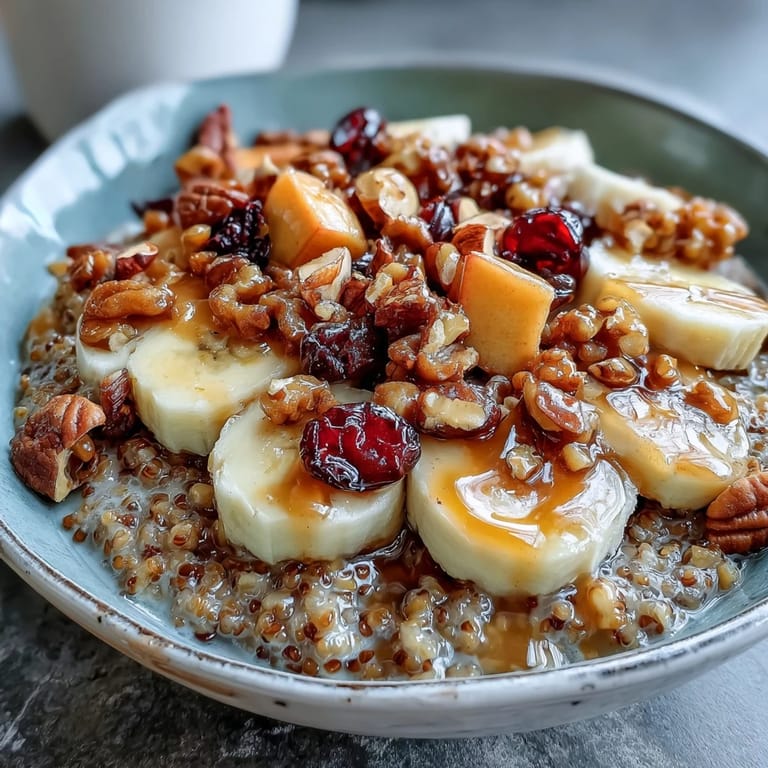
Save There's something grounding about eating this breakfast when the world feels chaotic. The warm grain, the crunch of nuts, the burst of fruit—it all feels deliberate in the best way. That Tuesday morning when my partner looked happy instead of rushed became the reason I make this now.
Why This Grain Deserves More Love
Buckwheat shows up in kitchens around the world—Russian blini, Japanese soba noodles, French galettes—and yet most people treat it like an afterthought. The truth is, it's got more personality than oats or quinoa, with this almost earthy sweetness that makes you slow down. Once you taste it cooked properly, you understand why it's been a staple for centuries instead of a trend.
Building Your Perfect Bowl
The beauty of this breakfast is that there's no single right way to make it. Some mornings I go heavy on almonds and berries, other times I pile on apple slices and drizzle with honey. The buckwheat base stays the same, reliable and forgiving, while everything else shifts with the season and your mood. Think of it as a canvas where you get to decide what matters that day.
Making It Work for Your Life
This recipe lives in that sweet spot where it's healthy enough to feel good about, but tasty enough that you actually want to make it on regular mornings, not just weekends. You can prep the groats the night before and reheat them, or keep extra nuts and fruit cut so assembly takes seconds. The whole thing costs less than a coffee shop breakfast and tastes infinitely better because you made it yourself.
- If tree nuts aren't your thing, swap them for seeds like sunflower or pumpkin—the crunch and nutrition stay the same.
- Try adding chia seeds or flaxseed to the cooked groats for extra nutrition and a subtle texture change.
- Use roasted buckwheat (kasha) next time if you want a deeper, more toasted flavor profile.
 Save
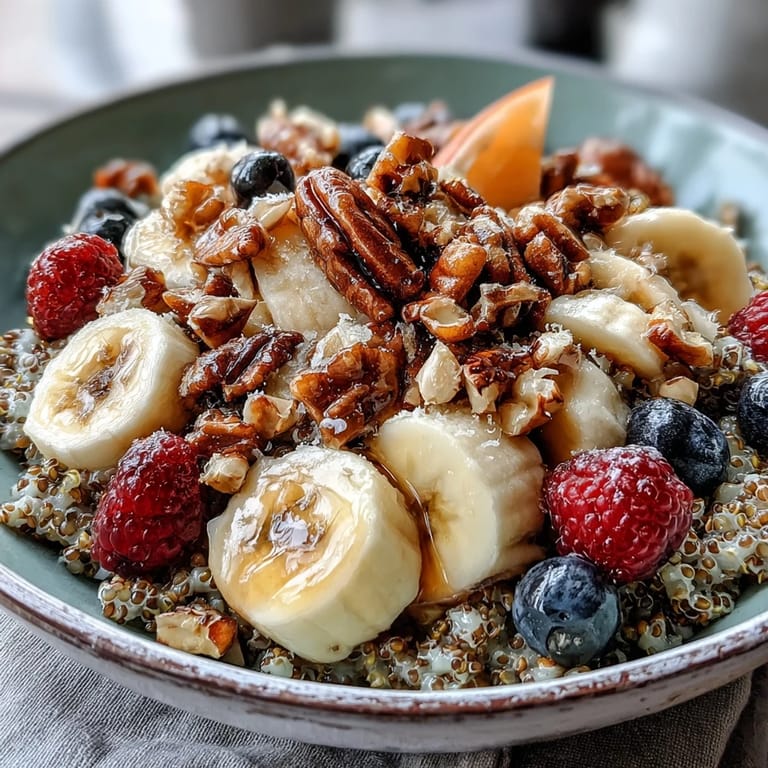
Save This breakfast became a quiet favorite in my house because it asks so little and gives so much—warmth, nutrition, and the kind of satisfaction that carries you through a busy day. Make it once, and I think you'll understand why.
Recipe FAQs
- → Are buckwheat groats naturally gluten-free?
Yes, buckwheat groats are naturally gluten-free despite their name. They're actually seeds from a flowering plant, not wheat, making them perfect for those avoiding gluten or following celiac-friendly diets.
- → Can I prepare this breakfast ahead of time?
Absolutely. Cook the buckwheat groats in advance and store them in the refrigerator for up to 5 days. Reheat individual portions with a splash of milk or water, then add fresh toppings before serving.
- → What's the difference between raw buckwheat and kasha?
Raw buckwheat groats are pale, uncooked seeds with a mild flavor. Kasha refers to pre-toasted buckwheat, which has a reddish-brown color and stronger, toastier taste. Both work in this preparation, though kasha requires slightly less cooking time.
- → How do I know when buckwheat groats are fully cooked?
Buckwheat groats are done when most of the water has been absorbed and the grains are tender but still retain a slight chew. You should see small white tails protruding from the groats. The texture should be fluffy, not mushy.
- → Can I make this breakfast nut-free?
Yes, simply substitute the mixed nuts with seeds like sunflower, pumpkin, or hemp seeds. You could also add shredded coconut or extra fruit to maintain texture and crunch without using nuts.
- → What fruits work best with buckwheat groats?
Berries, bananas, apples, pears, and peaches all complement the nutty flavor of buckwheat. Frozen fruits work well too—just thaw them slightly or warm them alongside the cooked groats. Dried fruits like raisins or cranberries make excellent additions too.