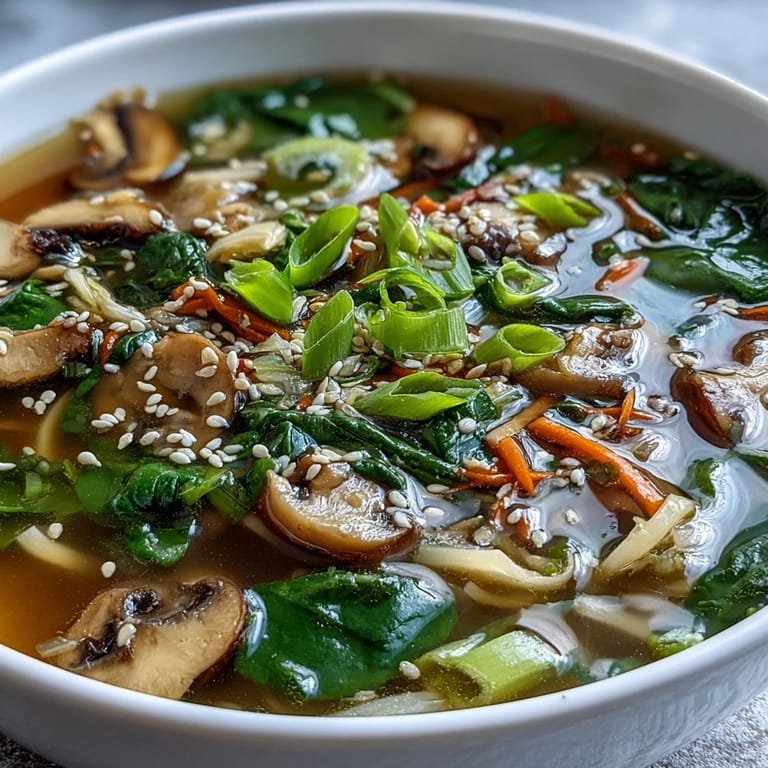
 Save
Save There's a particular kind of quiet that settles over the kitchen on the coldest mornings, and that's when this soup became my ritual. My neighbor had just handed me a jar of homemade miso paste with a knowing smile, and I stood there wondering what to do with it until the answer arrived on a ginger-scented breeze. The first bowl I made wasn't planned or fancy, just vegetables and broth and the warmth of ginger slices softening into gold. Something about it felt like the kitchen was finally admitting winter was here, and we might as well make peace with it.
I made this for my sister when she was recovering from being sick, and she ate it slowly, letting the warmth sit in her hands before each spoonful. Watching her breathe easier afterward felt like proof that sometimes the simplest things are the ones that actually matter. She asked for the recipe but never made it, and honestly, I think she just wanted an excuse for me to cook it again.
Ingredients
- Vegetable broth, 6 cups: This is your foundation, so choose one you actually like drinking on its own, not something overly salted or forgettable.
- Fresh ginger, 2-inch piece, peeled and thinly sliced: The thinner you slice it, the faster it releases its warmth into the broth, and you'll find yourself smelling it before you taste it.
- Garlic, 2 cloves, thinly sliced: Sliced, not minced, so it stays delicate and doesn't turn bitter from the gentle heat.
- White or yellow miso paste, 2 tablespoons: This is where the soul lives, so taste your miso first if you can, because each jar tastes slightly different depending on how long it's been aging.
- Shiitake mushrooms, 1 cup, thinly sliced: They release an earthy depth into the broth that you won't get from button mushrooms, and the slices stay tender without disappearing.
- Baby spinach or bok choy, 1 cup, roughly chopped: Either works beautifully, though bok choy holds its shape better and adds a subtle sweetness.
- Carrot, 1 medium, julienned or thinly sliced: Julienne if you have time and want something elegant, slice if you just want something quick and honest.
- Green onions, 2, sliced: These add a bright, almost sharp note at the very end, like the soup waking up.
- Toasted sesame seeds, 1 tablespoon: Toast them yourself if you can; the difference between stale and fresh is worth the two minutes.
- Fresh cilantro, 1 tablespoon, chopped (optional): It's optional, but it catches the light in the bowl and makes everything feel more intentional.
- Chili oil or red pepper flakes (optional): A small drizzle or pinch transforms this from comforting to memorable.
Tired of Takeout? 🥡
Get 10 meals you can make faster than delivery arrives. Seriously.
One email. No spam. Unsubscribe anytime.
Instructions
- Build your base:
- Pour the vegetable broth into your saucepan and set it over medium heat, letting it come to a gentle simmer where you see small bubbles rising slowly, not an aggressive roll.
- Infuse with warmth:
- Add the sliced ginger and garlic, then let them swim in the broth for 10 minutes while the kitchen fills with that unmistakable bright, almost spicy smell. You'll know it's ready when the broth tastes noticeably gingery but not overwhelming.
- Bring in the vegetables:
- Scatter in the mushroom slices and carrot, giving them a gentle stir so they're all submerged. After 5 minutes, they should be just tender enough to yield to a wooden spoon but still holding their shape.
- Prepare the miso carefully:
- Ladle out one cup of the hot broth into a small bowl and let it cool for just 30 seconds, then whisk in the miso paste slowly until it dissolves into something smooth and pourable. This matters because miso paste contains live cultures, and boiling them kills the good work they do.
- Return the miso gently:
- Lower your heat to the gentlest setting, then slowly pour the miso mixture back into the pot while stirring constantly, making sure not to let it come to a boil. If the surface starts bubbling vigorously, pull it off the heat for a moment.
- Finish with the greens:
- Add the spinach or bok choy and green onions, stirring until everything darkens and wilts, which takes about one minute. Taste the soup now, and if it needs more depth, add another half tablespoon of miso, or a splash of soy sauce for brightness.
- Serve with intention:
- Ladle the soup into bowls, then scatter the sesame seeds across the top, add a pinch of cilantro if you're using it, and finish with a thread of chili oil if you want that final note of heat.
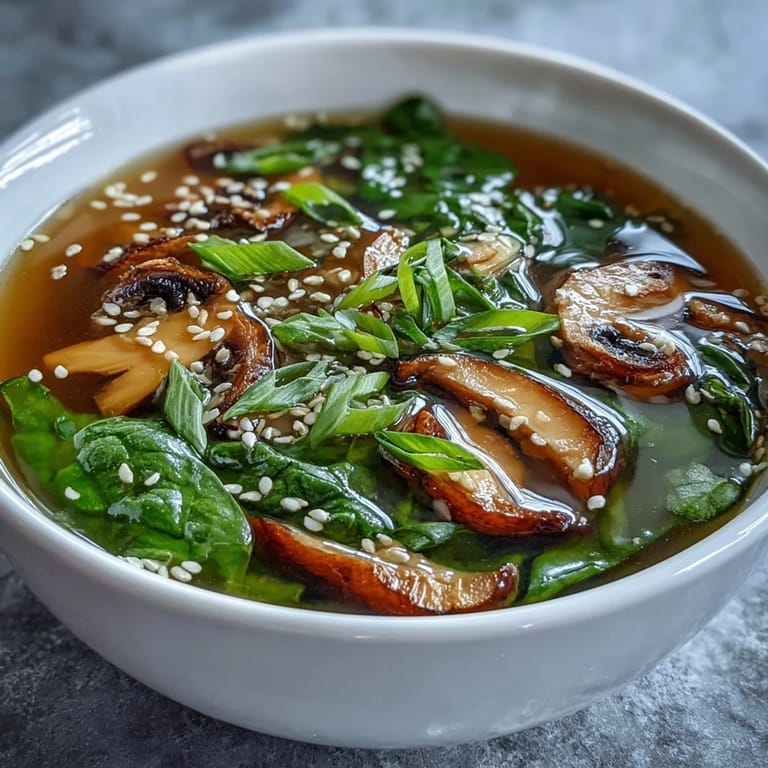 Save
Save There's a moment in winter cooking where you stop thinking about calories or nutrition and just focus on how the spoon feels in your hand and whether the steam reaches your eyes when you lean over the bowl. This soup became that moment for me, the one where I stopped trying to eat healthily and just ate hopefully.
When Winter Arrives Too Soon
This soup taught me that sometimes you don't need your oven for comfort, just a pot and patience. I made it in September once when the weather turned unexpectedly cold, and my partner looked at me like I'd broken some unspoken rule about seasonal timing. But the ginger didn't care about the calendar, and neither did the warmth it brought, so now I make it whenever the house feels too quiet and the outside air feels too sharp.
Ways to Make It Yours
The beauty of this soup is that it's forgiving enough to accommodate what's in your vegetable crisper and what you're craving on any particular day. I've added silken tofu when I needed more substance, switched to red miso when I wanted something with more character, and thrown in udon noodles when the soup needed to become a whole meal rather than a side thought. The broth stays the same, but everything else can bend to your mood.
Small Details That Make the Difference
I learned quickly that the quality of your miso paste changes everything about this soup in ways that feel almost spiritual. A homemade or fermented version from a proper supplier will taste bright and alive, while something from the back of a supermarket shelf might taste muted or overly salty. The same goes for your broth; if you're using a store-bought one, read the label because some brands are aggressively salty before you add a single grain more.
- Slice your ginger thin so it releases its flavor without becoming a tough, woody obstacle in the bowl.
- Always cool the broth slightly before whisking in miso, treating it like you're protecting something delicate.
- Add the greens at the very end so they stay bright and hold their subtle sweetness instead of becoming muted and gray.
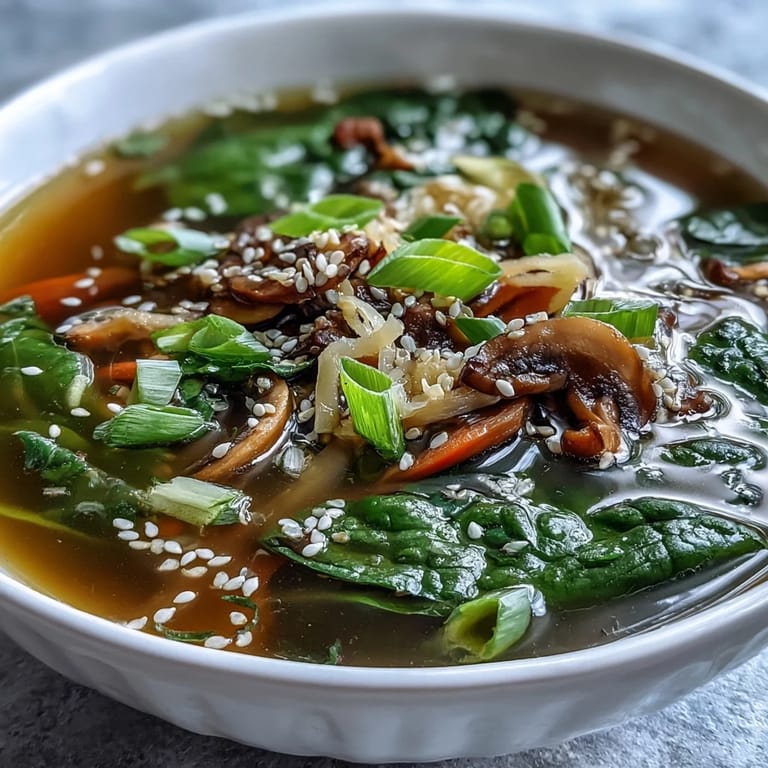 Save
Save This soup has become the thing I make when I want to remember that winter isn't something to survive, it's something to settle into. The first sip is always a small ritual of surrender.
Recipe FAQs
- → Can I use different types of miso paste?
Yes, you can use white, yellow, or red miso. White miso is milder and sweeter, while red miso offers a deeper, more robust flavor. Choose based on your taste preference.
- → Why shouldn't I boil the soup after adding miso?
Boiling miso destroys the beneficial probiotics and can alter its delicate flavor. Always add miso at the end and keep the heat low to preserve its health benefits and taste.
- → What vegetables can I substitute?
You can use kale, napa cabbage, or Swiss chard instead of spinach or bok choy. Snow peas, bell peppers, or zucchini also work well. Choose vegetables that cook quickly.
- → How do I make this soup more filling?
Add cubed silken or firm tofu for protein, or include cooked soba or udon noodles. You can also add edamame or increase the vegetable quantities for a heartier meal.
- → Can I make this soup ahead of time?
Yes, but store the miso separately. Prepare the broth and vegetables, then refrigerate. When reheating, warm gently and whisk in fresh miso just before serving to maintain probiotic benefits.
- → Is this soup suitable for meal prep?
Absolutely. Store in airtight containers for up to 4 days. The flavors develop nicely over time. Reheat gently and add fresh greens if desired for optimal texture and nutrition.