 Save
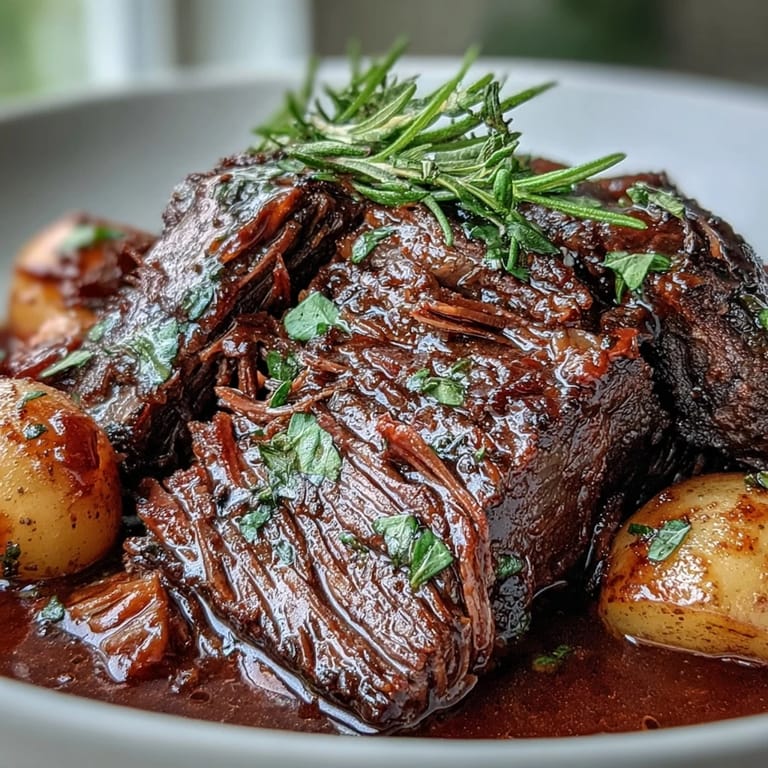
Save The oven was fogged with steam, and the whole apartment smelled like a Sunday I hadn't lived yet. I'd bought the roast on impulse, intimidated by its weight and marbling, unsure if I could pull it off. But three hours later, when I lifted the lid and saw the meat pulling apart with just a fork, I realized some dishes don't need perfection, just patience.
I made this for my parents the first winter I had my own place. My dad, who never compliments food out loud, went back for seconds without saying a word, and my mom quietly asked for the recipe on a torn piece of paper. That scrap is still pinned to her fridge.
Ingredients
- Beef chuck roast or blade roast (3 to 3.5 lb): The marbling is your friend here, it melts into the meat and keeps everything juicy, so don't go lean.
- Kosher salt (1 ½ tsp plus more) and black pepper (1 tsp): Season generously before you sear, this is where the crust and depth begin.
- All-purpose flour (2 tbsp): A light dusting helps the sear stick and adds body to the gravy later on.
- Olive oil (3 tbsp, divided) and unsalted butter (1 tbsp): The butter browns beautifully and adds a nutty sweetness you can taste in every spoonful.
- Yellow onion (1 large, sliced into wedges): Thick wedges hold their shape and turn sweet and soft as they braise.
- Garlic (4 cloves, smashed): Smashing releases more flavor than mincing, and it won't burn as fast.
- Carrots (4 medium, 2-inch chunks): They soak up the broth and get tender without turning to mush if you cut them thick.
- Celery (3 ribs, 2-inch chunks): Adds a savory backbone and a little vegetal sweetness that balances the richness.
- Baby potatoes (1 ½ lb): Waxy potatoes hold together better than russets and taste like little flavor sponges.
- Tomato paste (2 tbsp): Cooking it down until it darkens brings out a deep, almost caramelized sweetness.
- Dry red wine (1 cup): It cuts through the fat and adds complexity, but you can swap it for more broth if you prefer.
- Low-sodium beef broth (2 ½ cups): Low-sodium gives you control over the salt, and you can always add more at the end.
- Worcestershire sauce (1 tsp): Just a little brings umami and a hint of tang that ties everything together.
- Fresh rosemary (2 sprigs) and thyme (3 sprigs): Fresh herbs smell incredible as they simmer, but dried works in a pinch.
- Bay leaves (2): They add a subtle earthiness that you only notice if they're missing.
- Cornstarch slurry (1 ½ tbsp cornstarch plus 2 tbsp water, optional): Use this if you like your gravy thick enough to coat the back of a spoon.
- Fresh parsley (for garnish, optional): A handful of green makes the whole plate feel brighter and more alive.
Tired of Takeout? 🥡
Get 10 meals you can make faster than delivery arrives. Seriously.
One email. No spam. Unsubscribe anytime.
Instructions
- Preheat and prep the beef:
- Set your oven to 300°F if you're using it. Pat the roast completely dry with paper towels, then season every side with salt and pepper, and dust it lightly with flour, shaking off the excess.
- Sear the roast:
- Heat 2 tablespoons of oil and the butter in a heavy pot over medium-high heat until shimmering. Lay the roast in carefully and sear each side for 4 to 5 minutes until a deep brown crust forms, don't skip the edges. Transfer it to a plate.
- Cook the aromatics:
- Lower the heat to medium and add the last tablespoon of oil if the pot looks dry. Toss in the onion wedges and cook for 3 to 4 minutes until they soften and brown a little. Add the garlic and stir for 30 seconds until you smell it.
- Build the base:
- Stir in the tomato paste and let it cook for a minute or two until it darkens and smells sweet. Pour in the wine and scrape up all the brown bits stuck to the bottom, let it bubble for 2 to 3 minutes.
- Add liquid and herbs:
- Pour in the beef broth and Worcestershire sauce, then drop in the rosemary, thyme, and bay leaves. Nestle the roast back into the pot along with any juices from the plate, the liquid should come halfway up the meat.
- Braise low and slow:
- Bring everything to a gentle simmer, then cover tightly and either turn the heat to low or slide the pot into the oven. Let it cook undisturbed for 1 ½ hours.
- Add the vegetables:
- Carefully flip the roast over, then tuck the carrots, celery, and potatoes around it, pushing them into the liquid. Cover again and cook for another 1 ½ to 2 hours until the beef shreds easily and the vegetables are tender.
- Rest and thicken:
- Move the roast and vegetables to a platter and tent them with foil. Skim the fat off the top of the liquid, then bring it to a simmer and whisk in the cornstarch slurry if you want a thicker gravy, cook for 2 to 3 minutes.
- Finish and serve:
- Fish out the herb stems and bay leaves. Shred or slice the beef against the grain, arrange it with the vegetables, and spoon the gravy over everything. Scatter parsley on top if you like, and serve it hot with something to soak up the sauce.
 Save
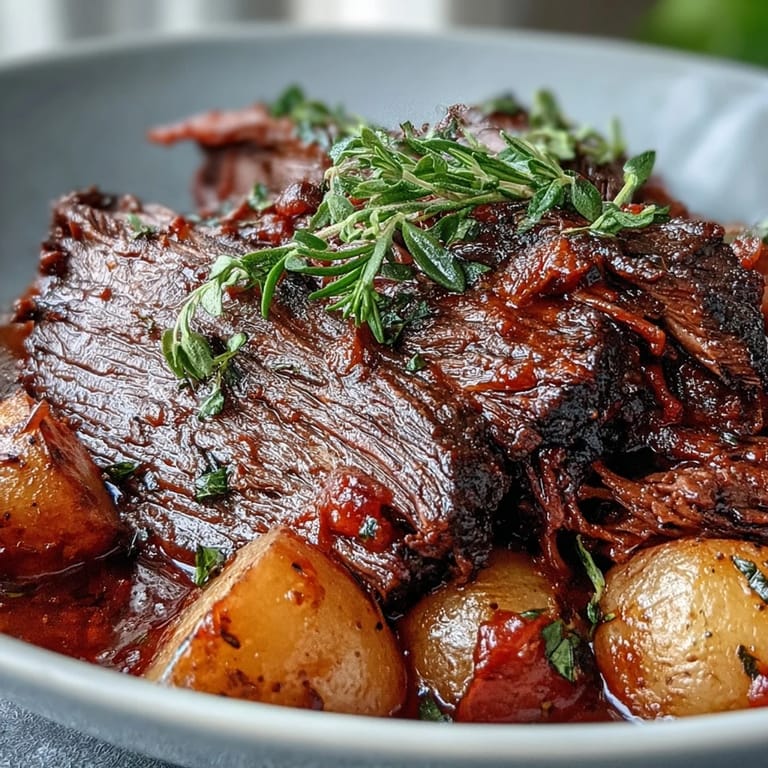
Save One night I served this to friends who didn't cook much, and one of them said it tasted like something their grandmother would have made if she'd had the time. That stuck with me because it's true, this dish doesn't try to impress, it just feeds you well.
How to Know When It's Done
The meat should pull apart with a fork without any tugging, and the vegetables should be tender but still hold their shape. If the beef still feels firm or chewy, give it another 30 minutes, low and slow always wins. The gravy should taste rich and balanced, if it's too thin, simmer it uncovered for a few minutes or use the cornstarch slurry.
Best Ways to Store and Reheat
Let everything cool to room temperature, then store the beef and vegetables in an airtight container with the gravy poured over the top, it'll keep in the fridge for up to four days. To reheat, warm it gently on the stovetop over low heat, adding a splash of broth if it looks dry. You can also freeze portions for up to three months, just thaw overnight in the fridge before reheating.
What to Serve It With
This roast begs for something to soak up the gravy, crusty bread, buttered egg noodles, or creamy mashed potatoes are all perfect. A simple green salad or roasted Brussels sprouts on the side cuts through the richness without competing. Leftovers are amazing tucked into sandwiches, spooned over rice, or shredded into tacos with a little fresh cilantro.
- Serve it family style in the pot for a more relaxed, cozy feel.
- Drizzle a little extra gravy over each plate right before serving, it makes everything glisten.
- Save any leftover gravy in a jar, it's perfect for drizzling over roasted vegetables or stirring into soups.
 Save
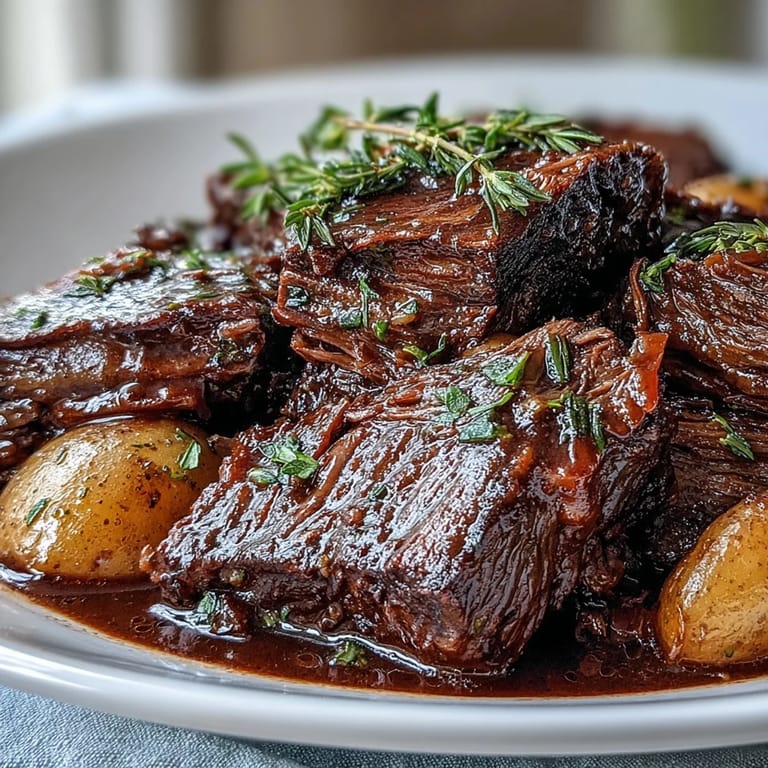
Save This is the kind of meal that makes your kitchen feel like the heart of your home, slow, warm, and worth the wait. Make it once, and it'll become the dish you turn to when you want to feed people you care about.
Recipe FAQs
- → What cut of beef works best for pot roast?
Chuck roast or blade roast are ideal choices because they have generous marbling and connective tissue that breaks down during slow cooking, resulting in incredibly tender meat. Look for a well-marbled 3-3.5 pound roast for best results.
- → Can I make this in a slow cooker?
Absolutely. After searing the beef and aromatics, transfer everything to your slow cooker. Cook on low for 8-10 hours or high for 5-6 hours. Add carrots, celery, and potatoes halfway through cooking to keep them from becoming too soft.
- → How do I know when the pot roast is done?
The beef is ready when it forks apart easily and shreds into large chunks with minimal pressure. This typically takes 3-4 hours of braising. The vegetables should be tender but still hold their shape when pierced with a fork.
- → Can I prepare this dish ahead of time?
Pot roast actually improves in flavor when made ahead. Cool and refrigerate overnight, then skim off the solidified fat before reheating. The flavors meld beautifully, and the dish tastes even better the next day.
- → What can I serve with beef pot roast?
Crusty bread for soaking up gravy, buttered egg noodles, creamy mashed potatoes, or polenta are classic accompaniments. Steamed green beans or roasted Brussels sprouts make excellent vegetable sides to balance the rich, hearty main.